
University campuses are uniquely challenging security environments. Unlike corporate or government facilities with defined perimeters and controlled access, campuses are designed to feel open, welcoming, and accessible to thousands of students, faculty, visitors, and vendors daily. The challenge is maintaining that sense of openness while still addressing real security threats posed by unauthorized vehicle access, after-hours intrusions, and perimeter vulnerabilities.
Security measures that feel heavy-handed undermine the open, academic environment fostered by universities, but inadequate security leaves campuses exposed. The solution lies in security infrastructure that integrates with campus design to control access without creating a fortified appearance. At TYMETAL, we explore how universities can approach perimeter design, vehicle access control, pedestrian movement, and high-threat scenario planning in ways that maintain the open character of campus environments while addressing genuine security needs.
Why Campus Perimeter Design Requires a Different Approach
University campuses operate differently than other secured facilities. Corporate campuses and government buildings typically feature defined perimeters with limited entry points and credentialed access for a known population. University campuses, in contrast, must accommodate thousands of daily visitors, support multiple delivery and service routes, allow emergency vehicle access from various directions, and maintain a welcoming atmosphere that reflects the institution’s educational mission.
Traditional fortress perimeters don’t work in this context. Universities and schools need security systems that can adapt to fluctuating access requirements throughout the day and across the academic calendar. A campus that hosts public events, summer conferences, and community programs cannot operate under the same access model as a facility with a static security posture.
Crime Prevention Through Environmental Design (CPTED) principles play an important role here. CPTED emphasizes natural surveillance, clear sightlines, well-defined boundaries, and access control that guides behavior without relying solely on physical barriers. Applied to campus environments, this means perimeter systems that define where vehicle and pedestrian traffic should flow without creating the appearance of exclusion.
Large campuses with varied topography and multiple access roads present additional complications. Security planning must account for site-specific conditions and the ways access patterns shift between day and night, weekday and weekend, and academic year and break periods.
Vehicle Access Control Without Creating Checkpoints
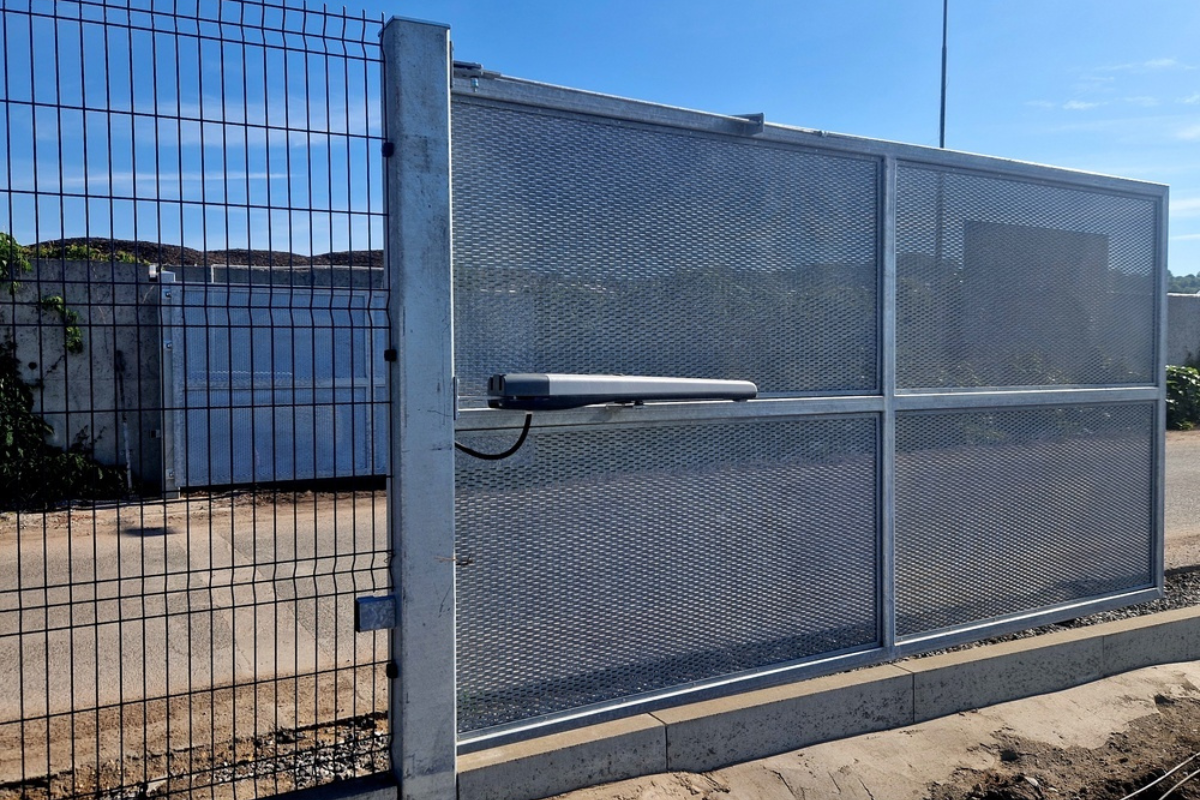
Universities can manage vehicle access to parking structures, service roads, and restricted zones without staffed checkpoints. Automated gate systems (slide gates and swing gates configured with credential readers) allow faculty and staff to access controlled areas using proximity cards or mobile credentials. These systems operate transparently during authorized hours and automatically restrict access outside of permitted times.
After-hours access control is particularly important on campuses where daytime openness is non-negotiable but nighttime security is a priority. Roads that remain open during class hours can be secured overnight using automated gates that close on a schedule or respond to security system inputs.
Bollards protect pedestrian zones and high-traffic areas from vehicle threats. Deployed at building entrances, plaza edges, and along walkways, bollards prevent vehicles from entering spaces designated for foot traffic. Removable and retractable bollard configurations provide flexibility for service access and special events while maintaining protection during normal operations.
Effective vehicle control should be invisible during peak hours but enforceable when needed. The goal is directing vehicle access in ways that separate cars from pedestrians, protect vulnerable building perimeters, and allow security personnel to manage access without a physical presence at every gate.
Balancing Pedestrian Flow and Perimeter Security
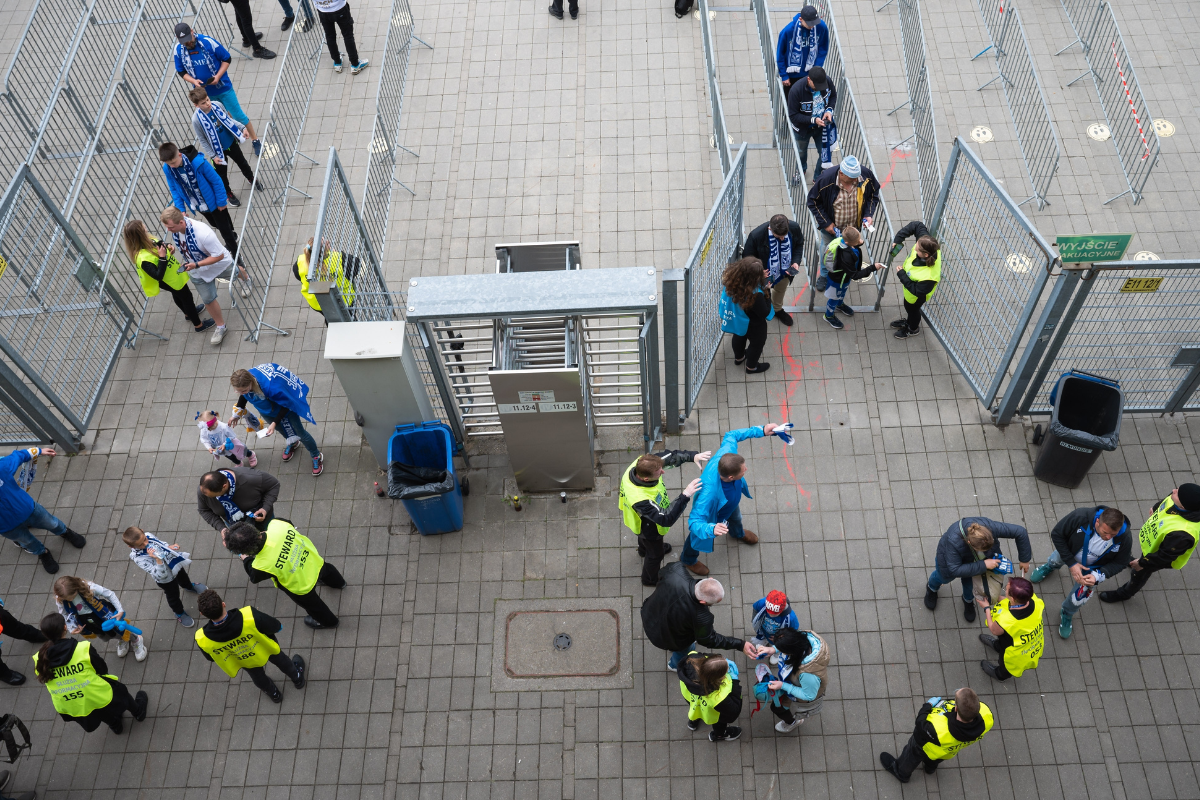
Most campus pedestrian access should remain open and unobstructed to maintain the welcoming environment expected at universities. However, pedestrian gates serve as effective security tools in specific locations where controlled access is necessary. These might include entrances to residence hall courtyards after hours, pathways leading to restricted facilities, or boundaries between public and secured campus zones.
Where pedestrian gates are deployed, materials and design choices matter. Systems that maintain sightlines and aesthetic continuity with campus architecture avoid the appearance of exclusion. Ornamental fencing, gates with transparent infill panels, and finishes that match existing building materials help security infrastructure blend into the environment. Campuses with historic architecture benefit from custom configurations that respect the visual aesthetic of existing structures.
Emergency egress is critical. While perimeter systems control entry, they must still allow free exit. Pedestrian gates equipped with panic hardware or free-egress mechanisms ensure that anyone inside a secured zone can exit quickly in an emergency, while entry from the outside remains restricted.
Well-lit pedestrian routes with clear sightlines discourage unauthorized activity and make campus navigation intuitive. When fencing and gates are used, positioning them along natural boundaries (property lines, grade changes, tree lines) makes them feel like logical divisions rather than arbitrary barriers. The best approach supports existing circulation patterns while addressing specific vulnerabilities without redirecting foot traffic unnecessarily.
Protecting High-Occupancy Buildings While Preserving Campus Character
Stadiums, event centers, student unions, and research facilities that regularly host large gatherings require additional consideration in campus security planning. Crash-rated gates and fencing can protect these high-traffic locations from vehicle-based threats while maintaining the welcoming visual character that defines campus environments.
These protective systems work best when integrated thoughtfully into site design. Bollards incorporated into landscaping, gates that complement architectural details, and barriers positioned within plazas can provide effective vehicle protection without creating the appearance of fortified zones. Planning these elements early in the design process allows them to become natural features of the campus landscape rather than obvious security additions.
A balanced approach focuses enhanced protection on locations where large crowds gather regularly, where buildings are positioned near high-speed roadways, or where facilities house critical research or administrative functions. Other campus areas can rely on standard vehicle control measures and pedestrian barriers, applying crash-rated systems selectively based on actual risk assessment rather than campus-wide.
Modern crash-rated gates, bollards, and beam systems are engineered to stop high-speed vehicles while maintaining subtle visual profiles. Shallow-mount bollards, decorative gate designs, and barriers that retract or pivot away when not needed allow universities to incorporate serious protective measures without creating permanent, institutional-looking structures. The objective is preparedness that supports campus life rather than security that defines it.
Why Campus Security Planning Benefits from Experienced Manufacturing Partners
Working with manufacturers who understand campus environments makes a measurable difference in system performance and project outcomes. Universities face constraints that don’t apply to other facility types: aesthetic standards set by campus master plans, historic preservation requirements, and stakeholder input from students, faculty, and community members.
TYMETAL has 35 years of experience designing and manufacturing perimeter security systems for universities and other institutions where security and accessibility must coexist. Effective campus security systems are custom-configured to site conditions, access patterns, and aesthetic requirements. Custom fabrication allows gate systems, bollards, and fencing to integrate with existing infrastructure while meeting the performance standards the application requires.
Consulting with TYMETAL, an experienced manufacturer, early in the planning process ensures that security solutions align with campus layout and design goals. Early involvement allows manufacturers to review site conditions, recommend system types based on traffic patterns, and identify potential conflicts before construction begins.
Frequently Asked Questions
What are the biggest security challenges facing university campuses today?
University campuses must balance open accessibility with protection from unauthorized vehicle access, after-hours intrusions, and threats to high-occupancy buildings. Unlike corporate facilities, campuses welcome thousands of daily visitors across hundreds of acres with multiple entry points while avoiding fortress-like security measures that conflict with their educational mission.
What is the difference between crash-rated and standard security gates?
Crash-rated gates are tested to stop vehicles traveling 30 to 50 mph, protecting against vehicle-ramming attacks at stadiums, event centers, and high-risk buildings. Standard gates control authorized access and prevent casual entry but cannot stop high-speed impacts. They work well for parking structures and general perimeter control where ramming threats are lower.
How do colleges secure campus at night without affecting daytime access?
Colleges use automated gates programmed on schedules. Vehicle gates at parking structures and service roads stay open during class hours and close automatically overnight. Pedestrian gates at residence halls lock at night but remain open during the day. This time-based approach maintains openness during peak activity while tightening security when campus activity is reduced.
What should a campus security assessment include?
A campus security assessment identifies vulnerable entry points, maps traffic patterns, evaluates high-risk buildings needing crash-rated protection, and determines where automated access control replaces staffed positions. It accounts for topography, emergency vehicle access, how security needs shift between academic terms and events, and aesthetic requirements from campus master plans to ensure solutions fit existing infrastructure.
How do universities protect pedestrian areas from vehicle access?
Universities use bollards at building entrances, plaza edges, and walkways to prevent vehicles from entering pedestrian spaces. Removable and retractable bollards allow temporary vehicle access for service deliveries or events while maintaining protection during normal operations. Bollards can be integrated into landscaping and finished to match architectural materials, blending security infrastructure into the campus environment.