Understanding Physical Security for Critical Infrastructure
Critical infrastructure protection focuses on safeguarding facilities that support essential services such as energy, transportation, communications, water, and data. In a physical security context, this protection begins at the perimeter, where threats are first encountered and mitigated.
Perimeter security plays a central role because many of the most serious risks to critical infrastructure involve vehicle-based threats. Whether they are accidental or intentional, vehicle impacts cause significant damage, disrupt operations, and place public safety at risk. Effective perimeter security planning prioritizes impact mitigation and controlled access to reduce these risks before they negatively impact critical assets.
Why Crash-Rated Barriers Are Essential for Critical Infrastructure
Critical infrastructure sites face unique exposure to vehicle threats due to their visibility, accessibility, and operational importance. Vehicle-based attacks, wrong-way incursions, and accidental impacts can result in service outages, safety hazards, and costly repairs.
Crash-rated barriers are designed to address these risks through hostile vehicle mitigation, controlled access, and perimeter hardening. Unlike standard perimeter elements, crash-rated systems are engineered and tested to stop vehicles of specific weights and speeds under defined conditions.
For utility companies, transportation hubs, government facilities, and data centers, crash-rated barriers provide a measurable level of protection that aligns with risk profiles and regulatory expectations. These systems form a critical layer of defense that supports uninterrupted operations and asset protection.
Core Security Requirements Crash-Rated Barriers Address
Crash-rated barriers are selected to meet specific security requirements that are unique to critical infrastructure environments. These requirements go beyond basic perimeter control and focus on mitigating high-consequence vehicle threats while supporting ongoing operations.
Vehicle Impact Resistance
At the core of crash-rated barrier performance is the ability to stop vehicles of defined weights and speeds. These systems are engineered and tested to limit vehicle penetration, protecting critical assets, utilities, and personnel located behind the perimeter. Impact resistance is especially important for facilities that are exposed to public roadways or high-volume traffic.
Controlled Access and Entry Management
Critical infrastructure sites require secure yet efficient vehicle access. Crash-rated barriers support controlled entry points by allowing authorized vehicles to pass while preventing forced or accidental incursions. When integrated with access control systems, barriers help balance security with operational flow.
Compliance and Regulatory Alignment
Many infrastructure operators must meet regulatory, insurance, or internal risk management requirements. Crash-rated barriers help demonstrate due diligence through certified testing and documented performance, supporting compliance efforts and stakeholder confidence.
Integration with Broader Perimeter Systems
Crash-rated barriers rarely function in isolation. They are most effective when integrated with fencing, gates, bollards, and monitoring systems. This layered approach strengthens overall perimeter security and ensures that vehicle mitigation strategies align with site-wide protection goals.
Using Barrier Performance Data to Inform Security Decisions
Barrier performance data plays a critical role in infrastructure security planning. Impact ratings, testing standards, and performance metrics provide decision-makers with objective information to evaluate suitability for specific threats and site conditions.
By reviewing certified test results and specifications, stakeholders can determine how barriers perform in real-world impact scenarios. This data-driven approach supports informed decisions about barrier placement, spacing, and integration with other perimeter elements.
Understanding performance trends also helps planners anticipate future risks and select solutions that align with evolving security needs. For additional context, insight based on Vehicle Security Barrier Trends can help frame how testing standards and technologies continue to shape perimeter protection strategies.
Benefits of Crash-Rated Barriers
Crash-rated barriers deliver measurable benefits across operational, risk mitigation, and strategic dimensions. Operationally, they help control access points and reduce perimeter vulnerabilities, supporting safe and efficient site operations. From a risk perspective, they significantly reduce the likelihood and impact of vehicle-based threats, protecting both assets and personnel.
Strategically, crash-rated barriers contribute to long-term resilience. When selected and deployed as part of a broader perimeter plan, they support scalable security solutions that adapt as infrastructure sites expand or operational requirements change. For infrastructure operators, this translates into protection that is not only effective today but sustainable over time.
Comparing Crash-Rated Barriers to Other Protection Options
Different perimeter solutions serve different security functions. Understanding their roles helps organizations deploy the right systems in the right locations.
- Crash-Rated Barriers: Designed to stop vehicle impacts at defined speeds and weights, these barriers are best suited for high-risk zones and critical access points.
- Bollards: Effective for pedestrian-heavy areas and controlled vehicle access points, bollards are often used where space constraints or aesthetics are considerations.
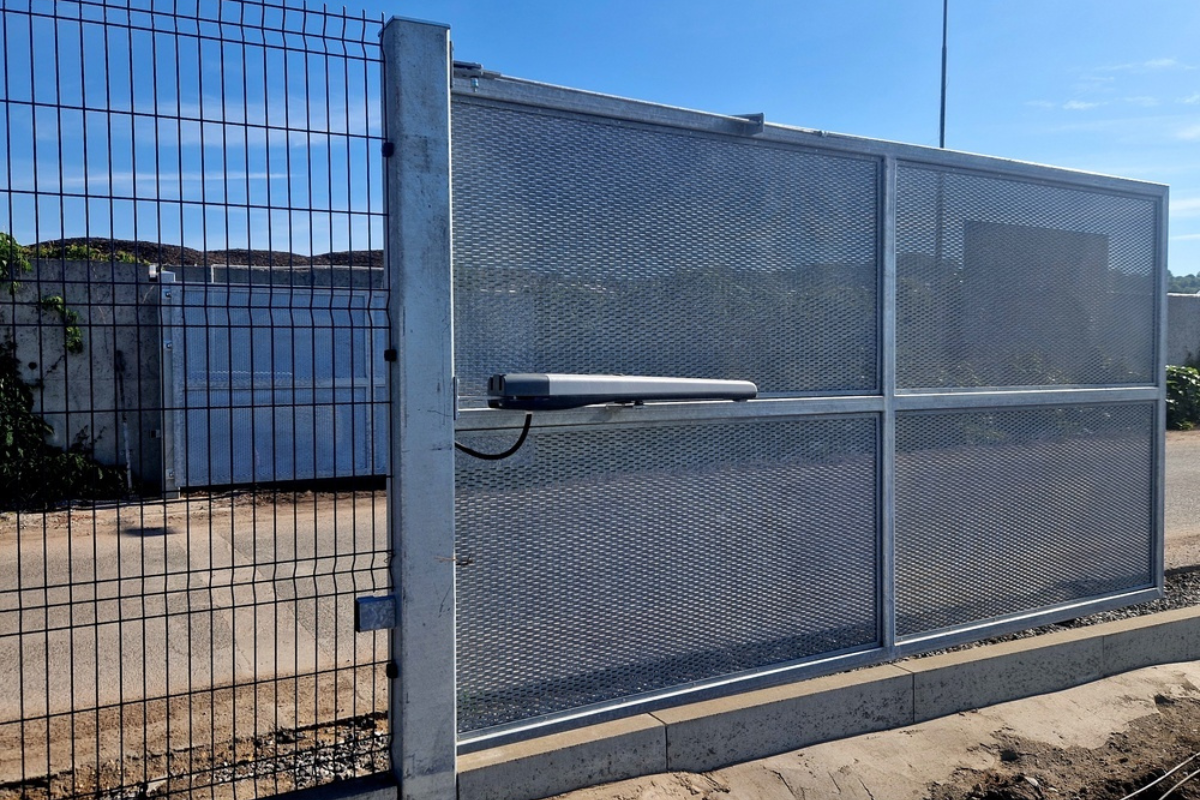
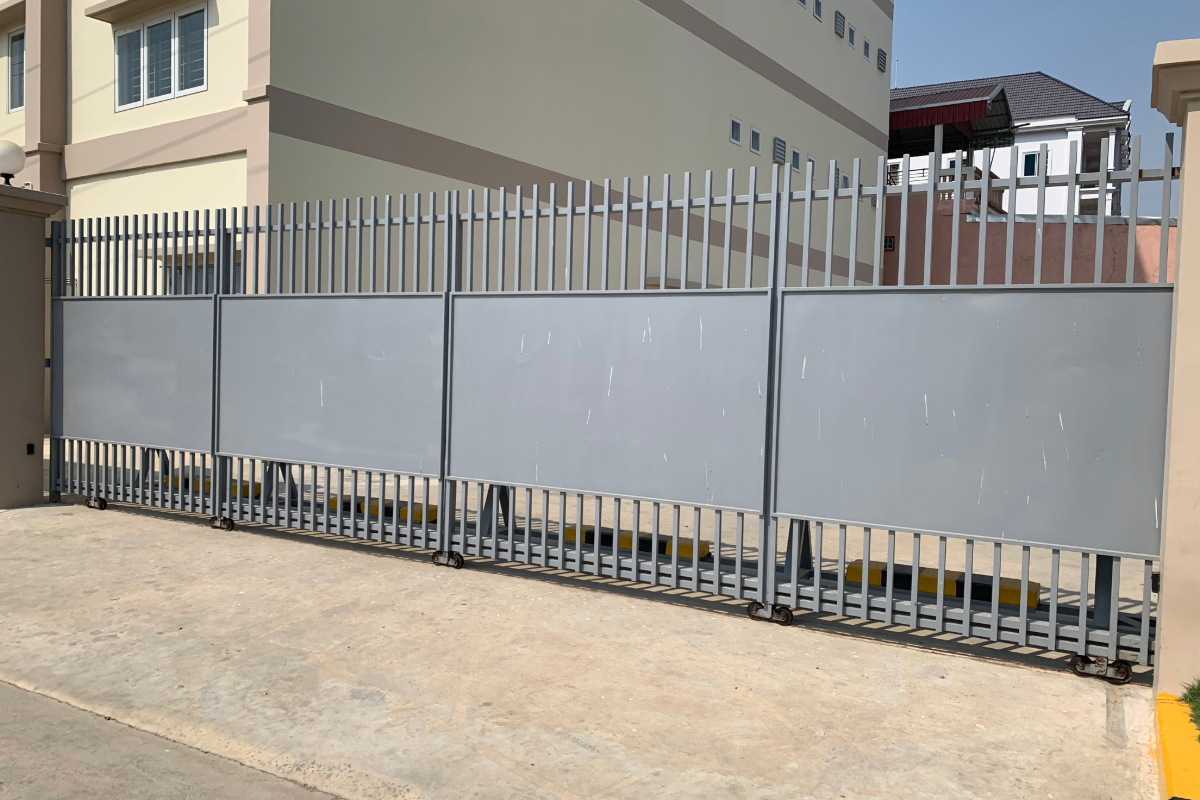
- Gates or Overhead Access Systems: Providing controlled entry and operational flexibility, these systems can also contribute to vehicle impact mitigation when crash-rated.
Each solution has strengths depending on site layout, threat exposure, and operational needs. In many cases, layered combinations provide the most effective perimeter security.
Deploying Crash-Rated Barriers as Part of a Unified Perimeter Strategy
Crash-rated barriers are most effective when integrated into an overall perimeter strategy rather than deployed as standalone solutions. Planning helps determine where barriers are needed, how they support access control, and how they work alongside fencing, gates, and other perimeter systems.
When crash-rated barriers are coordinated with complementary solutions such as bollards and overhead gate systems, they strengthen protection while maintaining efficient site operations. For organizations evaluating perimeter security improvements, contacting TYMETAL early can help ensure barrier solutions are aligned with site conditions and long-term security goals.
Frequently Asked Questions
How are crash-rated barriers evaluated for critical infrastructure environments?
Crash-rated barriers are evaluated based on certified impact testing that measures a barrier’s ability to stop vehicles of specific weights and speeds. For critical infrastructure environments, decision-makers review testing standards, penetration distances, site conditions, and operational requirements to ensure barriers align with real-world threat exposure and performance expectations.
What vehicle threat scenarios should be considered when selecting crash-rated barriers?
Critical infrastructure sites should consider both intentional and accidental vehicle threats, including unauthorized vehicle entry, wrong-way traffic, and high-speed impacts. Threat scenarios are assessed based on vehicle size, speed, approach angles, and proximity to critical assets, helping determine where higher-impact protection is required.
How do crash-rated barriers integrate with other perimeter protection systems?
Crash-rated barriers are typically integrated with fencing, gates, access controls, and monitoring systems to form a unified perimeter strategy. Integration ensures that vehicle mitigation measures support controlled access, operational flow, and layered security rather than functioning as isolated elements.
When should critical infrastructure sites upgrade existing barriers to crash-rated solutions?
Infrastructure sites should consider upgrading to crash-rated barriers when risk exposure increases, site operations change, or existing perimeter systems no longer provide adequate vehicle impact protection. Upgrades are also common when facilities expand, access points are reconfigured, or higher security standards are required.
How should crash-rated barrier selection align with broader critical infrastructure protection strategies?
Crash-rated barrier selection should be guided by overall security planning that defines risk levels, access requirements, and long-term site objectives. When aligned with a broader protection strategy, barriers support perimeter hardening, operational efficiency, and scalability rather than addressing isolated threats.