Knowing when to invest in a commercial security gate replacement can protect your facility, reduce long-term costs, and keep your perimeter operating reliably. This guide covers the key signs, decisions, and planning steps to help you move forward with confidence.
How Long Should a Commercial Gate System Last?
Most commercial gate systems are designed to last between 10 and 20 years. That range reflects differences in gate type, operating environment, and maintenance history. Cantilever slide gates, swing gates, and vertical lift gates each have their own mechanical demands and wear patterns.
Factors that shorten lifespan include high-cycle usage, exposure to harsh or coastal climates, deferred maintenance, and lower-quality original components. Systems that were properly specified, regularly maintained, and manufactured to a higher standard tend to perform reliably toward the upper end of that range.
Age alone does not determine when a gate system needs attention. A system showing significant wear at 12 years may need replacement before a well-maintained one at 16. Condition and capability are what matter most.
Signs Your Commercial Gate System May Need Replacement
Most gate systems show signs of decline before a full failure occurs. Recognizing those signs early gives operators time to plan rather than react.
Physical and Structural Warning Signs
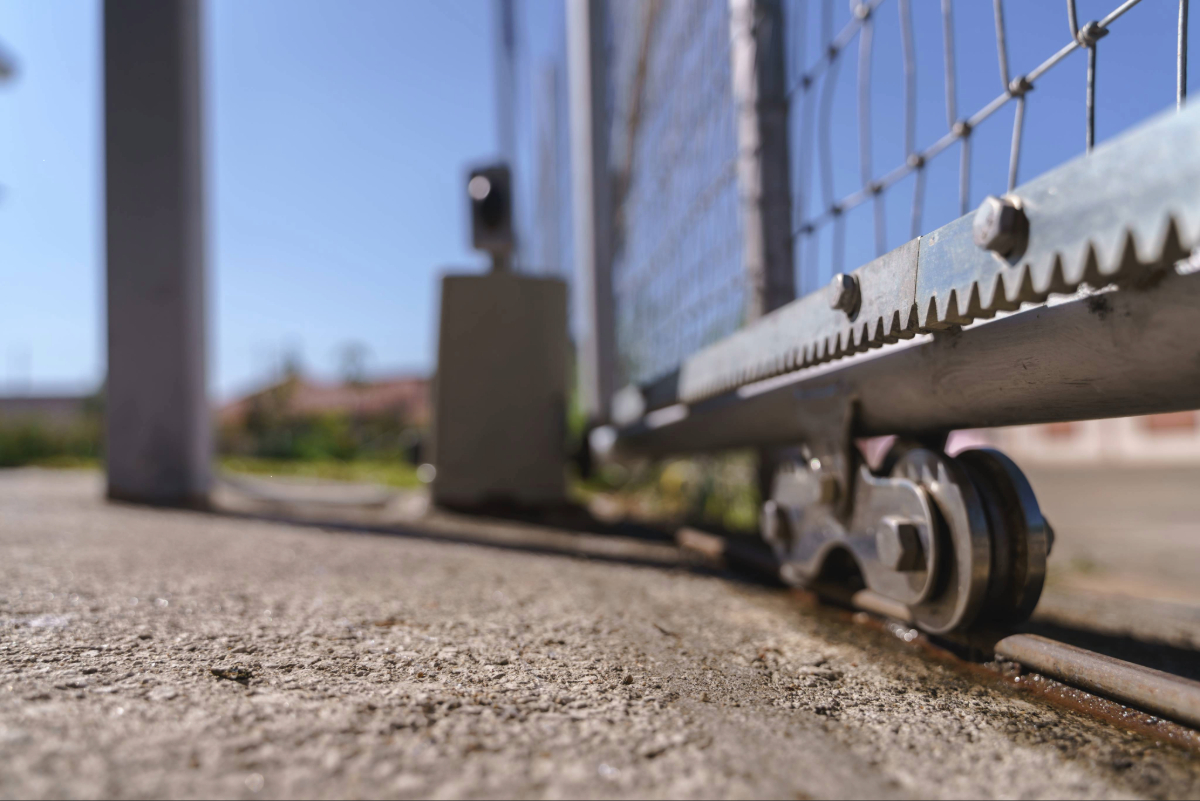
Rust, corrosion, cracked welds, warped track, and worn rollers or hinges are all worth taking seriously. Structural wear affects how a gate moves and whether it can continue to operate safely. Facilities in high-moisture environments or high-traffic locations tend to see these signs earlier than others.
Operational Warning Signs
Slow or inconsistent movement, unusual sounds from the motor or operator, gates stopping mid-cycle, and unreliable response to commands all point to components working harder than they should. Increasing service call frequency or recurring failures of the same component are also patterns worth paying attention to.
Electrical and Control System Warning Signs
Failing control boards, intermittent access control errors, and difficulty integrating with current credential systems indicate a gate that may be approaching the end of its useful life. Many systems manufactured in the 1990s and early 2000s are no longer supported by their original manufacturers, making parts increasingly difficult to source.
Safety and Liability Considerations of an Aging Gate System
Operational concerns are often the first thing operators notice, but safety deserves equal attention when evaluating an aging system.
UL 325 is the primary safety standard governing commercial and industrial gate operators. It covers entrapment protection requirements and how a powered gate should respond to obstructions. A gate that no longer meets these requirements, whether due to component failure or age, is something that warrants a closer look.
When a gate fails to stop or reverse correctly, it creates potential hazards for pedestrians, workers, and vehicles at the access point. Facilities operating systems that no longer meet current compliance standards should treat that as a risk management consideration. Proactive replacement is often the more responsible and cost-effective path.
Repair vs. Replace — Working Through the Decision
Repair is the right answer in many situations. The goal here is to help operators recognize when replacement becomes the more practical choice.
When annual repair and maintenance costs begin to approach a significant portion of what a new system would cost, the financial case for continued repair weakens. That calculation becomes clearer when operational downtime and access disruptions are included alongside direct service expenses.
Additional factors that tend to support replacement include parts that are no longer available, repeated failures of the same component, a system that is 15 or more years old with wear across multiple areas, and a gate that cannot meet current safety or compliance requirements. At a certain point, replacement becomes the more practical investment.
What to Consider When Specifying a Replacement Gate System
Selecting the right replacement means evaluating what the site will need over the next 15 to 20 years, not just what is needed today.
Duty cycle rating should match actual usage volume at the site. Material selection matters as well. Heavy-gauge steel suits high-security applications, while aluminum offers corrosion resistance advantages in certain environments. For facilities with more demanding vehicle access control requirements, crash or anti-ram ratings may be appropriate. Compatibility with existing access control systems and long-term manufacturer support, including warranty terms, parts availability, and domestic production, are also important factors.
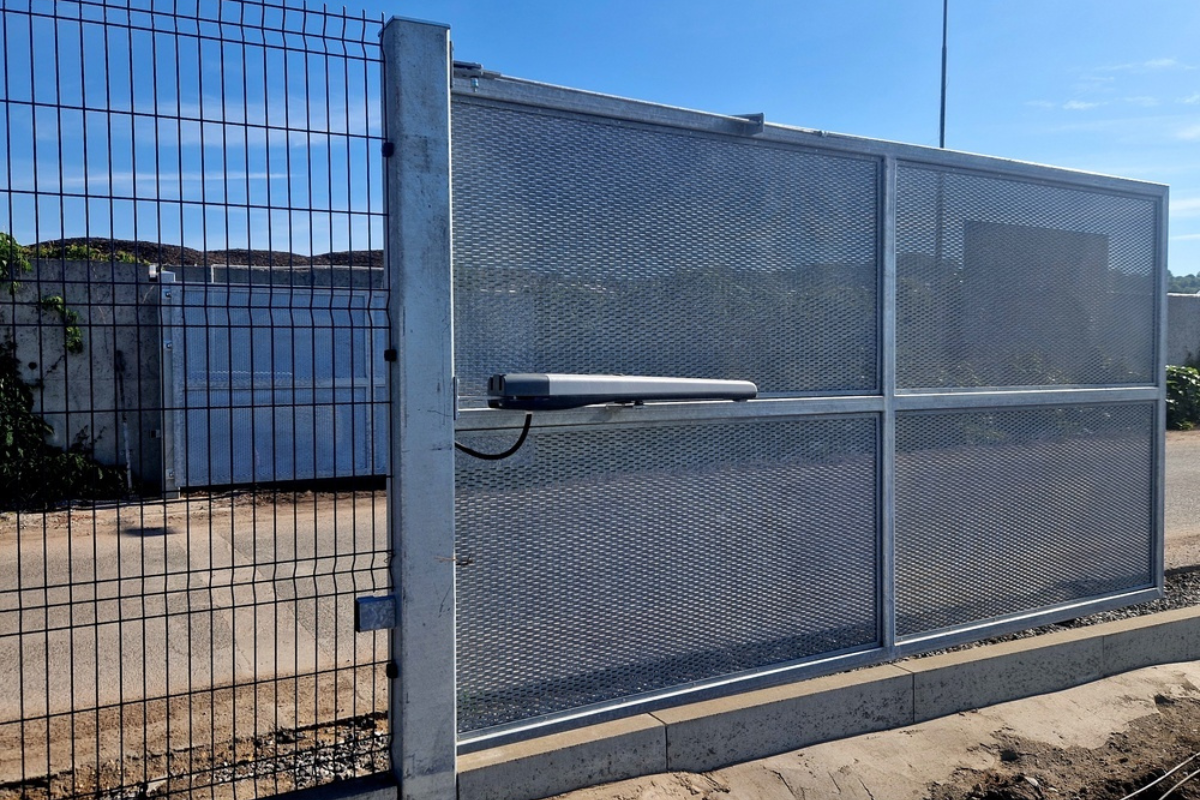
TYMETAL’s commercial security gate options include cantilever slide gates, crash barriers, correctional systems, and custom fabrication, providing solutions that can be matched to the requirements of the site. Engaging the team early in the process allows for input before specifications are finalized.
Planning a Commercial Gate Replacement
Once the replacement decision has been made, thoughtful planning helps the process go smoothly and reduces disruption to daily operations.
A site assessment is typically the first step. Documenting existing conditions and understanding how the gate is used help establish a clear baseline for specification. TYMETAL’s site planning support resources are available to assist operators and project teams through this process, including drawing and documentation support for more complex projects.
For projects involving custom configurations or specific security requirements, working directly with a manufacturer allows for closer collaboration during specification. Understanding lead times early and coordinating installation around operational needs are both easier when a manufacturer is engaged from the start.
TYMETAL has been manufacturing commercial security gates in the United States for more than 35 years, with production facilities in New York and Texas. Reach out to discuss your project and learn more about available solutions.
Frequently Asked Questions
How long does a commercial gate system last?
Most commercial gate systems last between 10 and 20 years depending on gate type, usage, environment, and maintenance history. Regular servicing is one of the most effective ways to extend the life of a system.
What are the signs that a commercial gate needs to be replaced?
Common signs include visible structural damage, operational issues like slow or inconsistent movement, frequent service calls, and the inability to integrate with modern access control systems. When multiple signs appear together, replacement is often the more practical path.
How do I know whether to repair or replace my commercial gate?
When annual repair costs approach a significant portion of what a replacement would cost, or when parts are no longer available and the same components keep failing, replacement is worth evaluating. A qualified manufacturer can help assess the situation.
What is UL 325 and does it apply to my commercial gate?
UL 325 is a safety standard governing commercial and industrial gate operators, covering entrapment protection and obstruction response requirements. It applies to most powered commercial gate systems, and facilities with non-compliant systems should consider an evaluation.
What should I look for when replacing a commercial security gate?
Key factors include duty cycle rating, material selection, access control compatibility, crash ratings if required, and long-term manufacturer support. Working directly with a manufacturer helps ensure the system is properly specified for the site.
How long does it take to replace a commercial gate system?
Timelines vary based on gate type, customization, and site conditions. Engaging a manufacturer early helps establish realistic lead times and allows installation to be coordinated with minimal operational disruption.