
Critical infrastructure spans 16 industries, each of which offers vital services to the country. As such, an attack on one could weaken or cripple public health and safety as well as the national economy. Indeed, an attack could disrupt these vital services or incapacitate them entirely, producing a ripple effect that resounds on a local, regional, and national scale.
From energy and communications to financial and healthcare services to agriculture and transportation, critical infrastructure crosses wide swaths of land. Protecting the properties associated with these indispensable service providers poses a challenge, one that is more important now than ever before. Evolving threats, including terrorism, criminal acts, vehicular attacks, and accidental crashes, demand stricter perimeter security solutions, which is where crash-rated barriers come into play.
The Growing Need for Crash-Rated Barriers in Critical Infrastructure
Critical infrastructure includes sectors like food and information technology, emergency and government services, critical manufacturing, energy, water, transportation, and public health. In addition to securing critical infrastructure, high-security barriers can also instill public confidence, manage traffic flows, and provide a deterrent to dissuade bad actors.
Why Infrastructure Protection Is a Top Priority in 2025
Although vehicle as a weapon (VAW) attacks are not necessarily new, they are becoming more frequent — an estimated 70% of all VAW attacks in history have occurred since 2014. The threat to airports, power plants, data centers, and other sensitive properties increases nearly every year. The rising danger of not only VAW attacks but also vandalism, theft, and other attacks has driven government regulations requiring high-security barriers for critical infrastructure.
Standards established by the North American Electric Reliability Corporation Critical Infrastructure Protection plan (NERC CIP) is a prime example. In addition to cybersecurity guidelines, it mandates physical security of transmission stations and control centers to control access and safeguard them from criminals. Crash-rated security barriers can effectively do both.

Recent Incidents That Highlight the Need for Security Upgrades
In December 2024, drones were discovered flying over a New Jersey nuclear power plant, initially sparking security concerns and prompting officials to close a nearby small airport. Just a few weeks later, an ISIS-inspired vehicle attack in New Orleans injured more than 50 people and killed 14. Although the incident, which involved a pickup truck that drove into crowds on Bourbon Street, didn’t damage critical infrastructure, it does underscore the overarching threat to structures as well as human life.
Imagine the large-scale disruption a similar attack could have if it occurred at a transportation hub, water or energy provider, or a data center. Not only could it result in human casualties onsite, but it could also cause widespread outages that endanger an untold number of people.
Crash-rated barriers absorb the kinetic energy released upon impact with a vehicle. Whether they protect from an accident or a purposeful attack, these vital tools provide a first line of defense to safeguard the property, its assets, and the people inside.
Choosing the Right Crash-Rated Barrier for Critical Infrastructure
Physical security plays a multifaceted role. It defines the perimeter, offers access control for employees and visitors, safeguards pedestrians, and restricts traffic in sensitive areas. High-security barriers also aid in creating standoff zones, further protecting critical assets.
However, to accomplish those functions, it’s essential to select the appropriate barriers for the facility. Ideally, facilities take a layered approach that leverages the five D’s: deter, detect, deny, delay, defend.
How to Determine the Right Barrier for Your Facility
Conducting a thorough threat assessment will provide the necessary guidance to determine the types of barriers needed. A threat analysis should help determine the level of required protection. At a glance, security assessments should do the following:
- Identify vulnerabilities, both around the perimeter and at any weak points throughout the property that could increase the risk of a security breach
- Evaluate traffic flow, both pedestrian and vehicular, to select a barrier that can handle the volume without disrupting operations
- Consider access points, which can include entrances to the property itself, parking areas, buildings, and other access points
- Assess environmental considerations to determine whether the barrier should be passive versus active
- Factor in existing security measures, including smart surveillance, access controls, and bollards, and how they will integrate
Crash-Rated Barrier Types and Their Best Applications for Critical Infrastructure
TYMETAL Corp specializes in four primary types of crash-rated barriers. Each can stop a 15,000-pound vehicle traveling up to 50 miles per hour (mph), depending on the crash rating.
Crash-Rated Fences
Crash-rated fences help secure the perimeter. They provide maximum security even in demanding environments such as airports, military bases, data centers, public utilities, and public service buildings.
Crash-Rated Gates and Beams
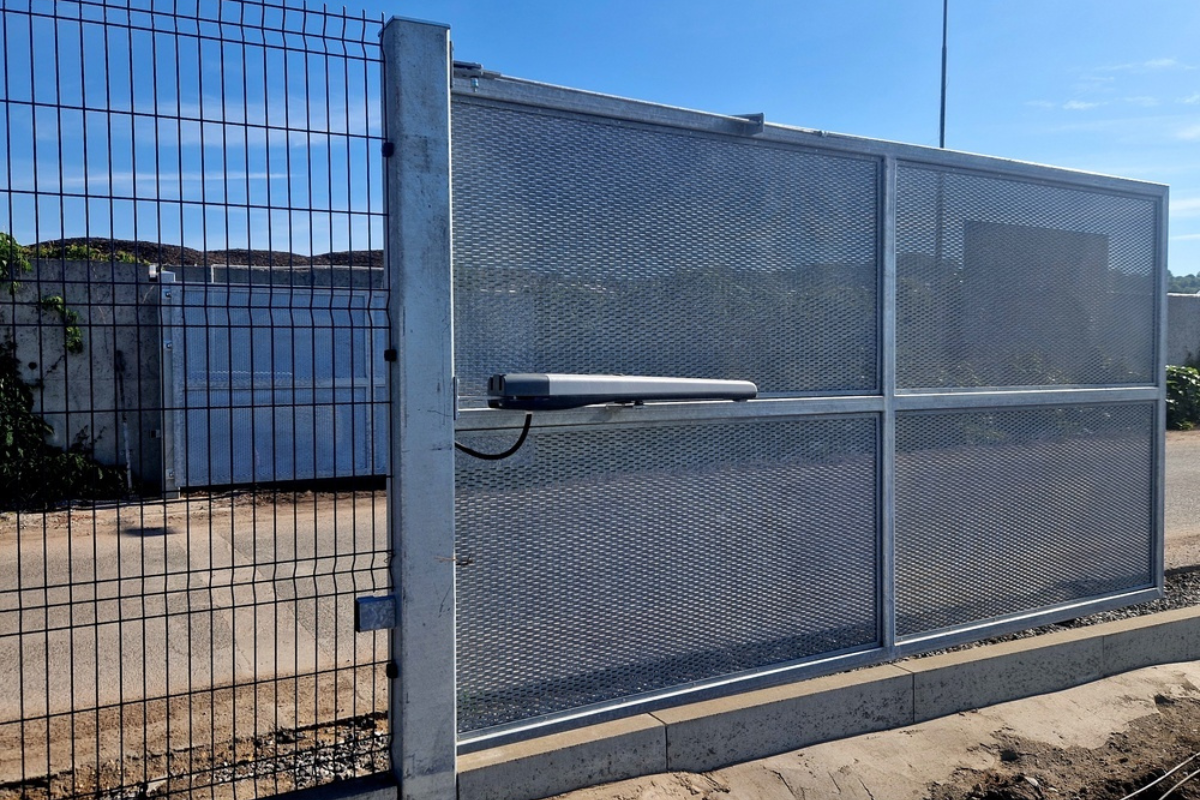
Manual or automatic crash-rated gates and beams offer superior access control. TYMETAL fabricates crash-rated gates in various styles, including slide, swing, vertical lift, and cantilever slide, to meet the requirements of the opening. These VAW mitigation measures help secure schools, public utilities, border stations, data centers, and more.
Crash-Rated Bollards
Sometimes called anti-ram bollards, these security solutions offer excellent protection to help stop vehicle-based attacks and accidents. They offer crash ratings ranging from K4 to K12, capable of stopping a 16,534-pound vehicle traveling up to 50 mph. Crash-rated bollards can protect pedestrians in high-traffic areas. They also safeguard airports, utilities, government buildings, and financial institutions.
Industry Applications: How Critical Infrastructure Uses Crash-Rated Barrier Systems
In these applications, crash-rated barriers safeguard properties, critical assets, and people — both visitors and employees. Explore use case scenarios in several critical infrastructure industries.

Airports and Transportation Hubs
Airports and transportation hubs span vast amounts of land, requiring vigilant protection around the perimeter as well as closer to facilities and buildings. This industry is responsible for people, including passengers, visitors, and employees, as well as the flow of goods and supplies.
Crash-rated fences define the perimeter and provide the first layer of defense. Airports and other properties often integrate fences with crash-rated gates and beams, which can help restrict access to only those with authorization. Gates and beams also help control the flow of traffic, while bollards can protect buildings and other sensitive areas from vehicular intrusions.
Military Bases
Charged with protecting personnel, weaponry, and potentially sensitive materials, military bases require multi-layered solutions. This includes fencing that can stand alone or be integrated with existing non-crash-rated fencing. Military-grade crash-rated gate systems, beams, and bollards round out the security plan. Implemented with other security measures, such as video monitoring, these resources provide vital comprehensive protection.
Power Plants and Utility Facilities
Keeping the lights on, water flowing, and energy delivered is no small feat. Disrupting these services can have devastating effects, which is why protecting properties, people, and assets in these industries is so vital. Fences and security gates with matched systems for automated operations help streamline security at power stations, water treatment facilities, chemical plants, and other public utilities. Combined with pedestrian entryways and bollards, these elements secure every part of the property against VAW attacks.
Data Centers
Data centers are vital elements in this increasingly digital world. These facilities are essential for national security and public health and play a critical role for educational institutions, governments, and private citizens. They also power the modern world by providing the architecture and storage necessary for various computing applications. Data centers require a solid security strategy that controls access to the property itself with fences and gates. The best strategy also requires consideration for building access and anti-ramming protection for buildings and facilities with bollards and pedestrian gates.
Government Facilities
High security barriers like fences and gates provide a checkpoint for government facilities. Public service buildings, including government offices and police stations, maintain local, regional, and national safety. They keep the country running smoothly, which makes any potential disruptions due to security breaches particularly problematic. In addition to automated gates, bollards and beams also help government facilities fulfill their need to protect the public outside as well as those inside the property. These facilities require gates that help keep traffic moving smoothly in and out while safeguarding the assets and people working inside.
TYMETAL’s Role in Critical Infrastructure Protection
Securing critical infrastructure is vital to ensuring smooth operations and the security of all those served by the facility. These properties are high-value targets for malicious actors, requiring each to take a careful, layered approach for safety.
TYMETAL Corp has been providing industry-leading expertise to critical infrastructure worldwide for decades. Since 1985, TYMETAL has gained a stellar reputation for its high-level service, outstanding quality, and talented team who can help with standard and custom designs.
TYMETAL manufactures its crash-rated barriers, designing them to provide lasting performance in environments of all types. Our client roster includes government properties, military and defense assets, industrial applications, and more. From design to installation and beyond, TYMETAL will partner with you through every step of the project to ensure robust protection.
Contact us today to learn more about our perimeter security solutions for critical infrastructure.