
Understanding potential threats and having a comprehensive security plan in place is critical in this continually evolving threat landscape. A solid security plan is the key to ensuring that facilities, employees, visitors, and assets are protected from both intentional and unintentional actions. Perimeter security planning is essential for site planning support and ongoing risk management.
Explore the basics of conducting a site security assessment, evaluate the current security measures in place, and plan to fortify for a stronger perimeter.
Introduction to Site Security Assessments
Perimeter security planning and security risk management aren’t one-size-fits-all propositions. Every property has unique needs and vulnerabilities. In fact, you could have two identical organizations operating in two separate areas, and each one would require different perimeter security solutions. That’s why conducting a security vulnerability assessment is such a critical step in safeguarding airports, military bases, manufacturing operations, and many other commercial and industrial facilities.
Importance of Site Security Assessments for Perimeter Protection
Think of the perimeter as the facility’s first line of defense. For some properties, substantial areas could be completely unprotected. For others, the existing measures may not be enough to guard against new and emerging threats.
To be proactive in maintaining rigorous security standards, it’s mission-critical to be aware of what could potentially go wrong. The assessment process identifies security risks and the solutions needed to mitigate them, ultimately empowering stakeholders to make data-driven decisions to ensure adequate protection. It also helps safeguard operations, reducing the chances of unplanned downtime due to security breaches or criminal activities.
Overview of the Security Assessment Process
A lot goes into the site security assessment process. For maximum efficacy, it requires examining more than just the facilities themselves. For example, it’s critical to consider elements like local crime rates, which could impact the likelihood of theft or vandalism at the property in question. Additionally, it’s essential to factor in personnel, the typical flow of traffic, and the assets in need of protection.
Pre-Assessment Planning
Before beginning the assessment, it’s important to develop a solid plan. The plan should provide a framework for the security assessment itself while establishing whether it’s a full or partial assessment and identifying who will be involved.
Defining the Scope of the Assessment
Establishing exactly how extensive the site security assessment needs to be is an excellent starting point. For example, if a manufacturer has six locations, will all six be evaluated? If a facility has four buildings on 50 sprawling acres, will all four be included in the assessment? Identifying precisely what needs protection and the area(s) in need of assessment ensures the best possible results.
Assembling the Assessment Team
Some companies outsource or hire security consultants to perform site security assessments. Others rely on in-house talent to fill the roles. Some examples include:
- Security personnel
- Employees in emergency response
- Site designers and planners
Step-by-Step Guide to Conducting the Site Security Assessment
Once the team has been established, begin the assessment process, keeping the pre-assessment planning in mind. From collecting data to performing risk analysis, the process typically involves five key steps.
Step 1: Data Collection
During this phase, it can be helpful to collect data, such as blueprints and maps, related to the physical layout of the areas within the scope of the assessment. This helps professionals evaluate any access control issues. Additionally, having documentation regarding the features of buildings, entrances, and parking lots can aid in evaluating the existing security measures. Other data points to consider include:
- General crime rate in the area where the facility is located
- Facility staffing and if it is adequate for safe operations
- Authorized personnel who can access the facility and anyone who has had their access revoked
- Typical traffic flow (pedestrian and vehicular)
- Environmental threats
Step 2: Visual Inspection
After collecting the necessary data, a thorough visual inspection can help confirm the information. This is also a prime opportunity to review the property’s strengths and weaknesses. Some of the points to review include:
- Lighting in all critical areas, including access points and parking lots
- Sightlines (or lack thereof) near the facility’s entrances and exits
- Securing of high-security areas or buildings as compared to low-security areas
- Building layout and existing natural protective elements, such as ample open space between vehicular areas and the building’s edge
Step 3: Identifying Vulnerabilities
In this multi-faceted step, it’s helpful to analyze any security incidents that occurred in the past. Doing so can help you understand the property’s weak points. It can also help identify possible trends and areas in critical need of attention. Conducting a vehicle approach analysis helps calculate the maximum speed a vehicle could approach the facility. This information can provide insight into the crash ratings needed for gates, bollards, and other barriers to prevent vehicular intrusion.
Step 4: Evaluate Current Security Risk Management Measures
As you evaluate the facility’s security measures, it’s important to review the areas covered and whether they provide adequate security. What type of security risk management is already in place? If access controls are already in use, what method do they use for identity verification?
Consider an outside-in approach, beginning with the outer perimeter and working your way inward to parking lots, doors, alarm systems, and even inner rooms and stairwells. Identifying any blind spots or areas in need of additional hardening is a critical step in the process.
Step 5: Risk Analysis
After completing a comprehensive site audit according to the scope of the site security assessment, analyze each identified threat. How likely is it to occur? If it happened, how would it affect the company? After analyzing each potential security issue, it will be significantly easier to prioritize specific areas and optimize the organization’s resources for comprehensive perimeter protection.
Documenting and Reporting Findings
A site security assessment provides valuable insights into an organization’s security posture, identifying vulnerabilities and reinforcing existing protective measures. Proper documentation of these findings ensures that the results are accessible, actionable, and well-organized for decision-makers. This step involves compiling detailed records of observed vulnerabilities, potential risks, and existing security measures, along with recommendations to strengthen perimeter protection and bolster security risk management.
Documentation should clearly categorize risks by severity and provide actionable guidance for perimeter security planning and long-term improvements. Including visual aids such as photographs, maps, and diagrams can enhance clarity by offering a detailed depiction of access points, blind spots, and current security protocols. Thorough documentation serves as a foundation for compliance with industry regulations, ongoing security vulnerability assessment efforts, and future perimeter security assessments, ensuring facilities remain protected against evolving threats.
Creating a Comprehensive Security Report
A comprehensive security report organizes the findings of a site security assessment into a structured document that informs decision-making. Beyond listing risks and recommendations, the report should clearly communicate the significance of identified vulnerabilities and their potential impact on perimeter security. It should also highlight how existing perimeter security systems and access control measures compare to industry standards and best practices.
To enhance clarity, the report may include visual aids such as security maps, incident logs, and data trends that support risk analysis. Prioritizing threats based on severity ensures that critical perimeter protection gaps receive immediate attention. By outlining a clear path for security risk management, the report becomes a practical tool for improving perimeter security planning and strengthening overall site defenses.
Other common components of these reports also include:
- A summary providing the assessment’s purpose, scope, and significant findings
- An explanation of the methodologies used for vulnerability assessment
- A list of risks and recommendations to remedy them
- A conclusion summarizing the findings and outlining the actions necessary to enhance security
Presentation to Stakeholders
For a site security assessment to be meaningful, it’s important that the organization acts on the findings. To that end, it’s helpful to present those findings in a way that helps leaders and stakeholders understand the risks to the facility and the recommendations for hardening security.
Post-Assessment Actions
Perimeter security planning is only as effective as the solutions put into place. By using the findings from a security vulnerability assessment as a springboard, facilities can develop a plan to overcome any shortcomings.
Developing a Security Improvement Plan
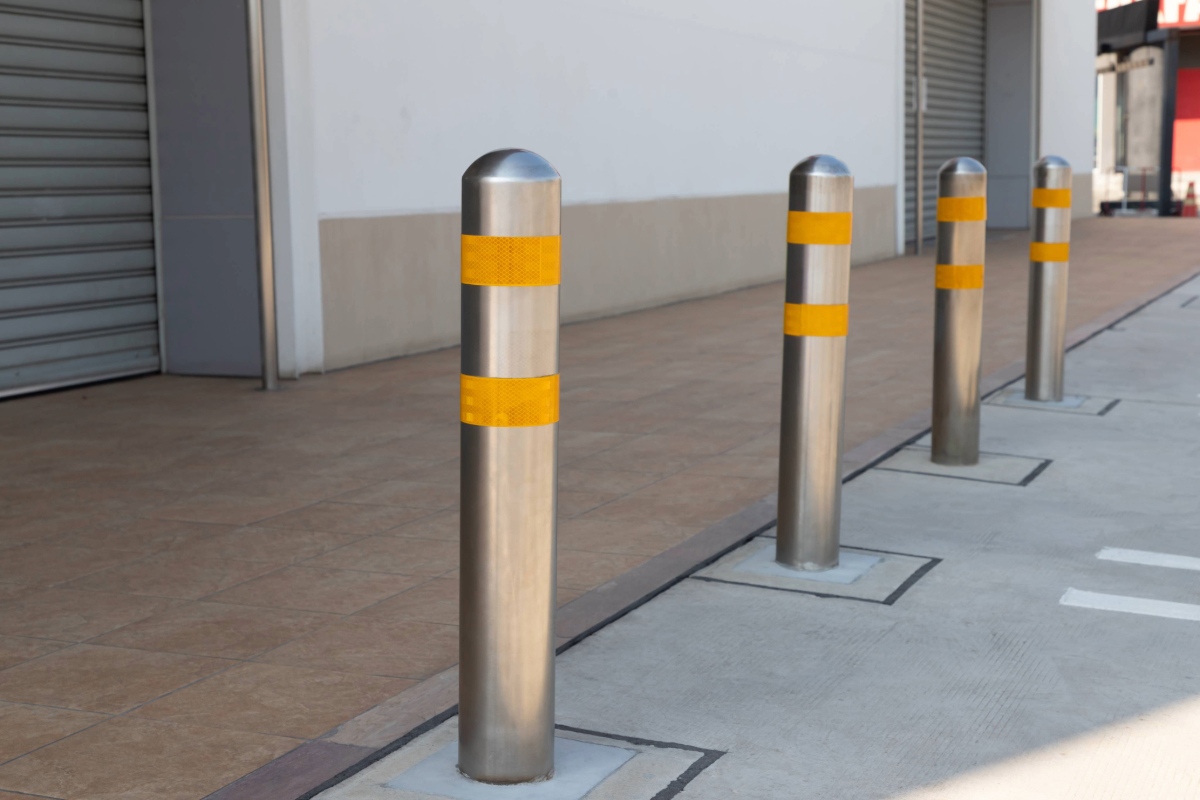
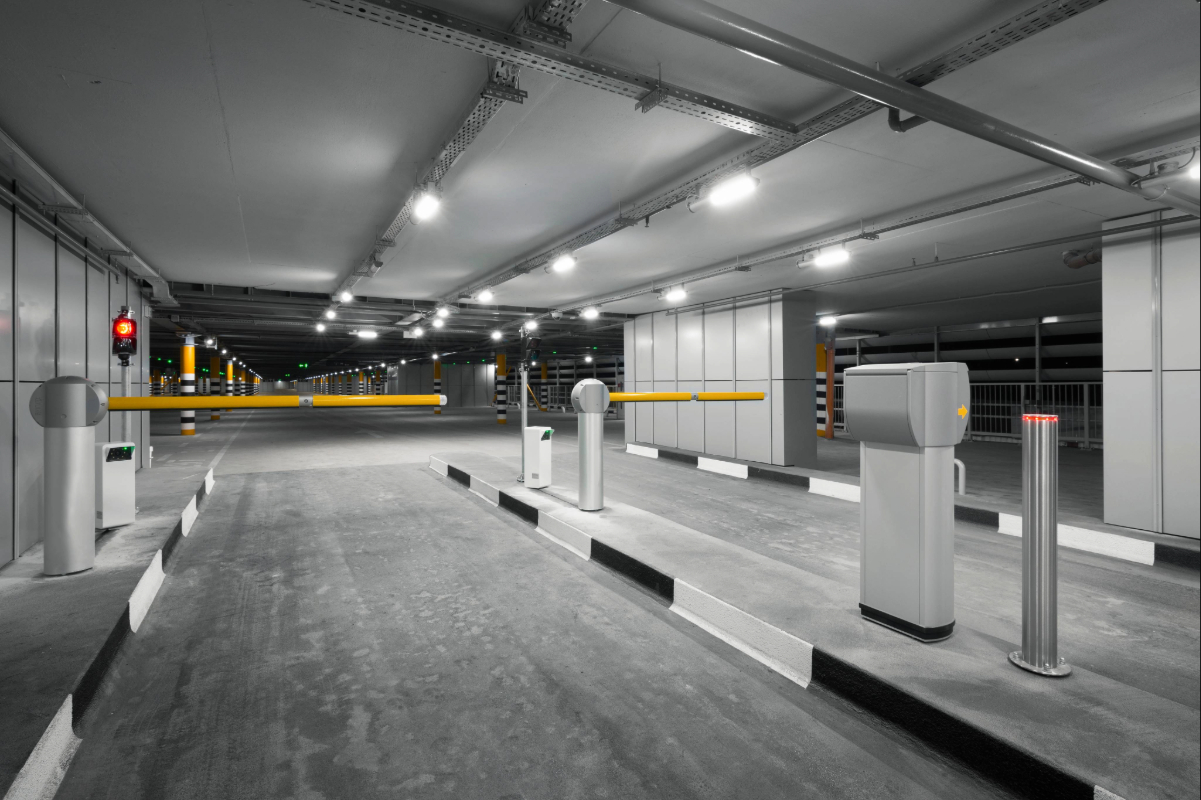
Begin with the threats that would have the highest probability of occurring or the highest impact on the company. Consider the actions necessary to enhance security. In some cases, it may mean upgrading commercial security gates or installing crash-rated bollards. In other instances, it may require implementing new technology like biometric access controls to reduce uncontrolled access. Whether the solution is hiring personnel to monitor surveillance equipment or implementing new alarm systems, the plan provides an outline of ways to increase security.
Regular Reviews and Updates
Physical perimeter security is not static. Rather, it constantly shifts and changes, which is why it’s important to establish a regular schedule for reviewing the facility’s security. Just as online security periodically requires updates to ensure it is working as effectively as possible, physical security measures should also be updated as needed.
TYMETAL: Your Partner in Perimeter Protection
From crash-rated gates and bollards to crash-rated fences and beams, TYMETAL Corp has your perimeter protection solutions covered. TYMETAL is a longstanding industry leader in the manufacturing of high-performing perimeter security solutions. Let us help you with your perimeter security planning. The TYMETAL team can provide support and assistance throughout the entire project, including after installation. Contact us to learn more about our solutions and services or for personalized assistance.