
Houses of worship are designed to be open, welcoming spaces where communities gather for worship, support, and connection. At the same time, these facilities often host large gatherings and serve as important community centers, which makes thoughtful site safety planning an important consideration.
One element of modern physical security planning is hostile vehicle mitigation (HVM). HVM strategies focus on reducing the risk of vehicles reaching vulnerable areas such as entrances, walkways, and gathering spaces. When implemented thoughtfully, hostile vehicle mitigation systems can help protect congregants and visitors while preserving the open and accessible environment that houses of worship value.
By approaching security through careful planning and appropriate perimeter design, facilities can create safer community spaces without compromising their welcoming atmosphere.
Why Houses of Worship are Evaluating Perimeter Security
Houses of worship often face unique site security considerations compared to other types of facilities. These environments are built around accessibility and community engagement, which can present challenges when evaluating physical security needs.
Several factors contribute to these considerations:
- Open and welcoming environments that prioritize accessibility for congregants and visitors
- Large gatherings during services, holidays, and community events
- Buildings located near public streets or parking areas, where vehicle access is common
- Limited on-site security staff compared to large commercial campuses
Because of these factors, many facilities are evaluating how perimeter protection can support overall site safety. Solutions such as bollards, crash barriers, and anti-ram barriers are commonly used to help protect pedestrian areas and entrances while maintaining the welcoming nature of the property.
These perimeter elements are designed to function as quiet safeguards, providing protection while remaining integrated with the facility’s overall design.
Understanding Hostile Vehicle Mitigation (HVM)
Hostile Vehicle Mitigation (HVM) refers to strategies and physical security measures designed to protect buildings and gathering areas from vehicle impacts. These strategies focus on preventing vehicles from entering sensitive areas or limiting the impact if a vehicle approaches a protected location.
In practice, HVM planning typically focuses on three goals:
- Preventing vehicles from reaching vulnerable parts of a property
- Controlling vehicle access to designated entry points
- Slowing or stopping vehicle movement before it reaches buildings or pedestrian spaces
Another important concept in HVM planning is standoff distance, which refers to the space between roadways or parking areas and the building itself. Increasing this distance can help reduce the potential impact of a vehicle approaching the structure and provide additional time and space for mitigation measures to function effectively.
How Bollards and Crash Barriers Protect Community Facilities
Physical vehicle barriers are an important part of many hostile vehicle mitigation strategies. These systems are engineered to provide protection while integrating with the design and operation of the facility.
Crash-Rate Bollards
Crash-rated bollards are vertical posts designed to stop or slow vehicles traveling at specific speeds and weights. These systems are commonly installed near building entrances, sidewalks, and pedestrian gathering areas where protection is most important.
Because of their compact footprint, bollards can provide meaningful protection while maintaining visibility and accessibility for visitors.
Anti-Ram Barriers
Anti-ram barriers are engineered perimeter elements designed to stop or redirect vehicles before they reach a protected structure or gathering space. These barriers are often used in locations where additional levels of vehicle mitigation are required.
Testing standards such as ASTM or PAS ratings help verify how these barriers perform under defined impact conditions, ensuring predictable performance in real-world environments.
Crash Gates and Security Gates
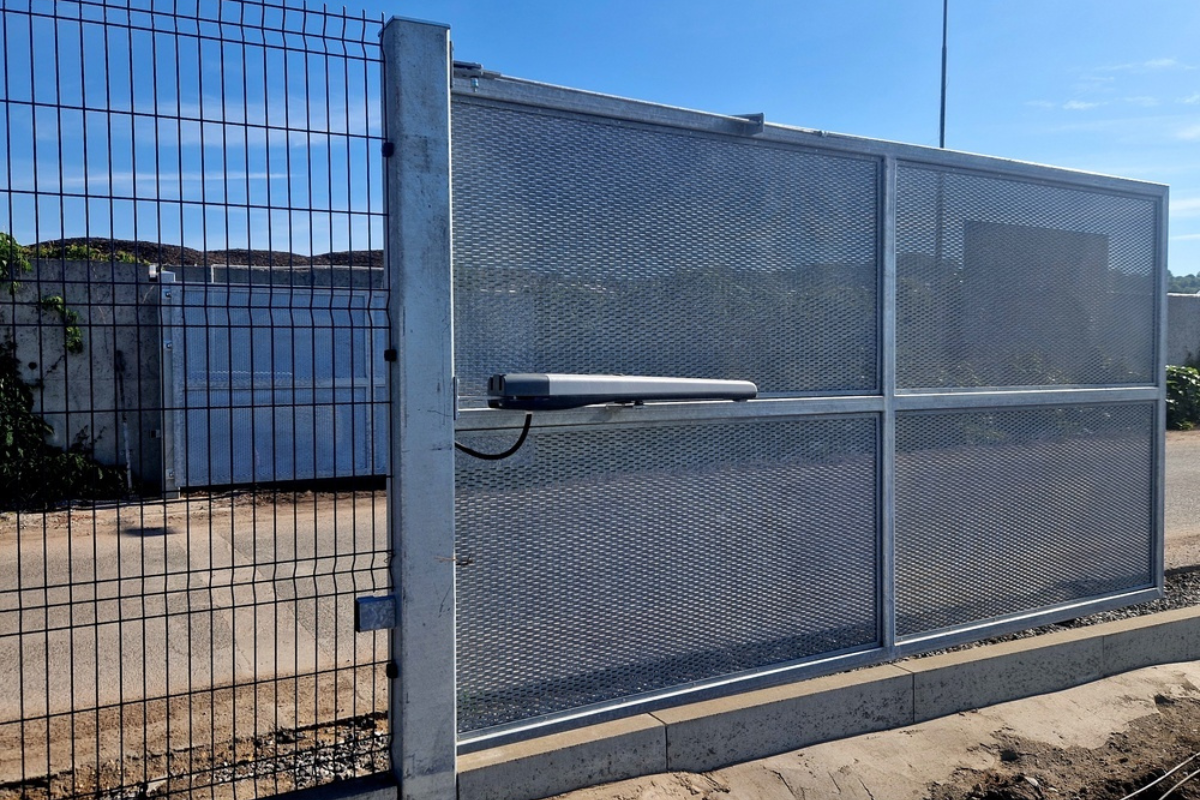
Crash gates and commercial security gates help control vehicle access to a property. These systems allow authorized vehicles to enter while helping prevent unauthorized or uncontrolled vehicle access.
Engineered security gates can be integrated with other perimeter protection elements, creating a layered security approach that supports both safety and operational efficiency.
Together, these elements can form a coordinated perimeter protection system that strengthens site security without disrupting daily operations.
Planning Hostile Vehicle Mitigation for Houses of Worship
Effective hostile vehicle mitigation begins with thoughtful planning. Before selecting physical security solutions, facilities typically evaluate how their property functions and where potential vulnerabilities may exist.
This process often includes reviewing how close buildings are to surrounding roadways, identifying primary entrances and pedestrian gathering areas, and understanding how vehicles move through the property. Parking layouts, traffic flow, and event-related congestion during large services or community gatherings can also influence how perimeter protection strategies are designed.
By assessing these conditions early, houses of worship can determine where protective measures such as bollards, barriers, or controlled vehicle access points may be appropriate. Many facilities work with perimeter security specialists to develop hostile vehicle mitigation systems that align with the layout of the property while supporting daily operations and community activities.
Balancing Security With a Welcoming Environment
For houses of worship, maintaining a welcoming and inclusive atmosphere remains a central priority. Security planning should support that mission while helping protect congregants and visitors.
Modern perimeter security solutions make it possible to enhance protection without creating an uninviting environment. Elements such as bollards, crash-rated barriers, anti-ram barriers, and security gates can often be integrated into landscaping or architectural design so they remain effective while blending naturally into the surrounding space.
Facilities evaluating hostile vehicle mitigation strategies can work with TYMETAL to explore engineered perimeter solutions designed to support both safety and accessibility for community-focused environments.
Frequently Asked Questions
What is hostile vehicle mitigation?
Hostile vehicle mitigation (HVM) refers to security strategies designed to prevent vehicles from reaching or impacting buildings, pedestrian areas, or other sensitive locations. These strategies typically include physical barriers, controlled vehicle access points, and thoughtful perimeter planning to reduce the risk of vehicle-related incidents.
Why is hostile vehicle mitigation important for public gathering spaces?
Public gathering spaces such as houses of worship, community centers, and event venues often welcome large numbers of visitors and may be located near public streets or parking areas. Hostile vehicle mitigation helps protect these environments by creating physical separation between vehicles and pedestrian areas while maintaining accessibility.
What types of solutions are used in hostile vehicle mitigation?
Hostile vehicle mitigation systems can include a variety of physical security elements such as bollards, crash-rated barriers, anti-ram barriers, security gates, and reinforced perimeter fencing. These solutions are often combined as part of a layered security strategy to control vehicle access and protect buildings and gathering spaces.
Where is hostile vehicle mitigation typically used?
Hostile vehicle mitigation is commonly used at locations where large numbers of people gather or where facilities require additional perimeter protection. Examples include houses of worship, government buildings, transportation hubs, commercial campuses, and critical infrastructure sites.
How is hostile vehicle mitigation planned for a property?
Planning hostile vehicle mitigation typically begins with evaluating the layout of a property, including nearby roadways, pedestrian areas, entrances, and vehicle traffic patterns. From there, appropriate perimeter solutions can be selected and positioned to help prevent vehicles from reaching vulnerable areas while supporting normal operations and accessibility.