
Commercial properties are operating in an increasingly complex physical security environment. As sites grow larger and become more accessible and more interconnected, commercial security in 2026 is less about reacting to isolated issues and more about understanding how evolving risks affect the perimeter over time.
For property owners and facility managers, anticipating commercial perimeter security threats is essential to maintaining safe operations, protecting assets, and supporting long-term site resilience.
Introduction to Commercial Security Risks
Commercial security, in a physical site context, focuses on protecting people, property, and operations through perimeter design, access management, and site awareness. This includes maintaining fencing, gates, barriers, controlled entry points, and visibility across the property.
Security risks are changing as commercial environments evolve. Higher traffic volumes, expanded site footprints, and increased public interaction introduce new considerations for commercial perimeter control. Looking ahead to 2026, a future-focused approach helps organizations understand how these conditions influence commercial site security risks and informs more effective planning decisions.
Key Factors Driving New Security Threats for Commercial Properties
Commercial security risks are evolving as properties become larger, more complex, and more publicly engaged. Many commercial sites now operate as multi-building environments with numerous access points, shared roadways, and overlapping operational zones. As these environments grow, maintaining consistent perimeter control becomes more challenging.
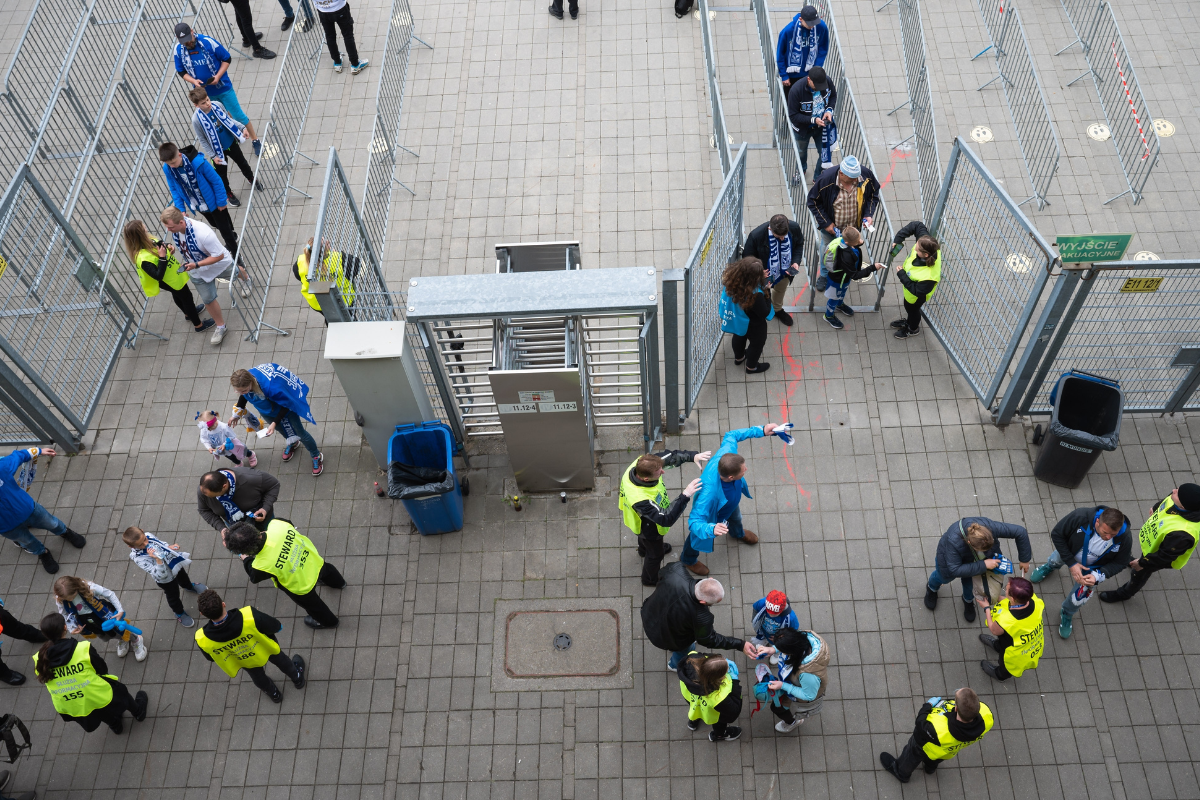
Increased vehicle traffic is another contributing factor. Higher volumes of delivery vehicles, service vehicles, and visitors place greater pressure on access points and bring vehicles closer to buildings and pedestrian areas. Without deliberate planning, this added activity can introduce security gaps that are difficult to address after a site is fully operational.
At the same time, many commercial properties are designed to be open and accessible, which can unintentionally blur the line between public and secured spaces. These conditions highlight the importance of proactive security planning. By evaluating how a site functions today and how it may change over time, organizations can design perimeter solutions that support safety, operational efficiency, and long-term adaptability rather than relying on reactive fixes.
The Top Physical Security Challenges Facing Commercial Sites
As commercial environments continue to evolve, several physical security challenges are becoming more prominent:
- Perimeter Integrity Concerns: Inconsistent fencing, unsecured boundaries, and unclear transitions between public and private spaces can create vulnerabilities along the site edge.
- Vehicle-Related Risk Exposure: Increased vehicle movement near buildings and pedestrian areas highlights the need for perimeter measures that manage access and reduce unintended or unauthorized vehicle entry.
- Access Control Limitations: Multiple entry points and high traffic volumes can strain access systems if they are not designed to balance efficiency and control.
- Visibility and Monitoring Limitations: Areas with limited sightlines, lighting, or oversight can reduce situational awareness and delay responses.
Addressing these challenges effectively requires coordinated planning rather than isolated perimeter upgrades.
Why Proactive Security Planning Matters for Commercial Properties
Proactive security planning improves preparedness by identifying risks early and aligning perimeter systems with how a site operates. It supports better coordination between security, facilities, and management teams and reduces the likelihood of disruptive, last-minute changes.
Financially, proactive planning helps control costs by minimizing retrofits, reducing downtime, and supporting phased perimeter investments. Strategically, it allows commercial security solutions to scale as properties expand or change use, preserving performance over time and supporting long-term site resilience.
Preparing Commercial Properties for Evolving Security Considerations
Preparing for commercial security risks in 2026 begins with evaluating existing site conditions, including perimeter continuity, access points, vehicle movement, and visibility. These insights guide planning decisions and help define clear security priorities.
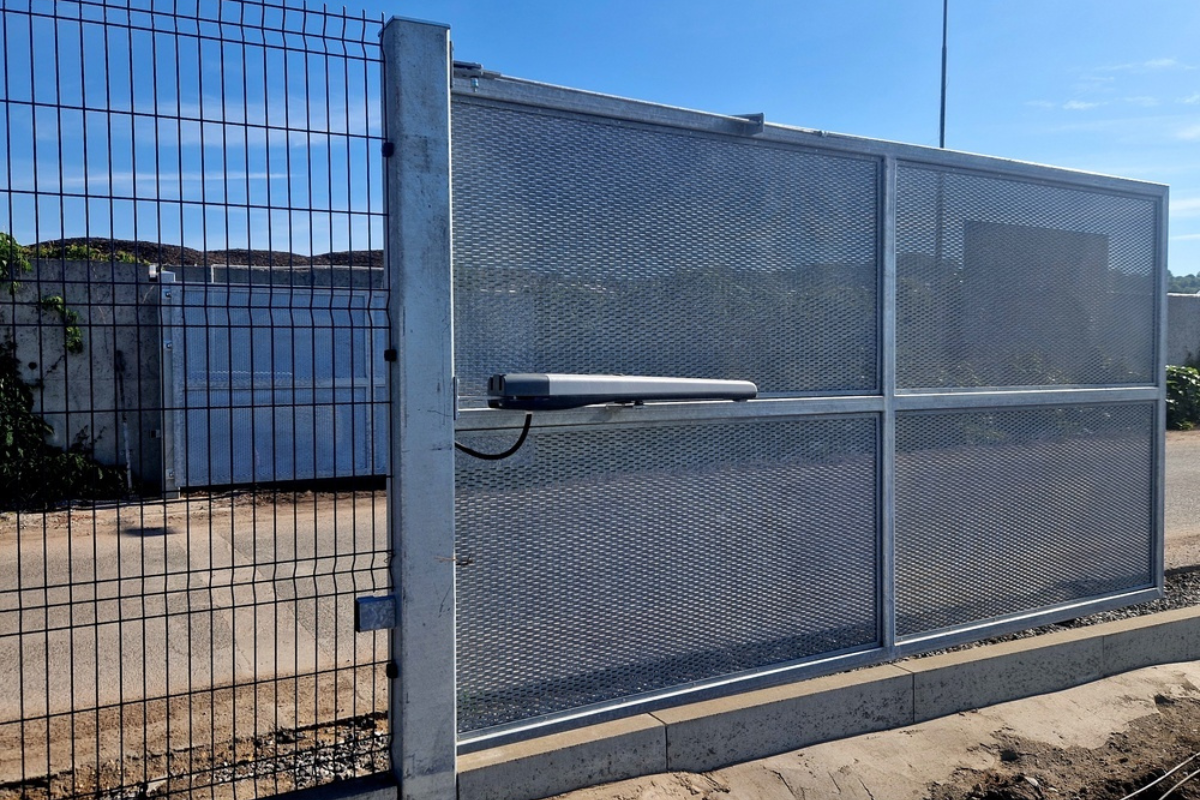
From there, perimeter solutions such as gates, fencing, barriers, and access systems are selected based on how well they support both protection and daily operations. When perimeter considerations are addressed early, commercial properties are better positioned to adapt without disrupting business continuity.
When planning is complete and the next steps are being considered, contact TYMETAL to discuss perimeter security solutions designed to support your site’s operational and security objectives.
Frequently Asked Questions
How are commercial security threats expected to change beyond 2026?
Beyond 2026, commercial security threats are expected to become more complex due to increased site accessibility, larger property footprints, and greater interaction between public and private spaces. These changes place added emphasis on perimeter continuity, controlled vehicle access, and adaptable security infrastructure. As threat considerations evolve, reviewing perimeter system options and technical specifications helps ensure sites remain prepared over the long term.
Which types of commercial properties face the highest perimeter security risks?
Commercial properties with high vehicle traffic, open-access areas, or large footprints typically face greater perimeter security risks and can span across a wide variety of industries and markets. This includes logistics centers, corporate campuses, mixed-use developments, and facilities located near public roadways. For these sites, quality perimeter solutions play a critical role in managing access while supporting daily operations.
How should commercial sites prioritize threats when budgets are limited?
When budgets are limited, commercial sites should prioritize threats based on exposure, likelihood, and operational impact. Focusing first on perimeter access points, vehicle entry areas, and visibility gaps allows organizations to allocate resources effectively. Consulting with TYMETAL and reviewing products can help decision-makers phase investments strategically without compromising performance.
What common security gaps are often overlooked in commercial properties?
Commonly overlooked gaps include secondary or service entrances, inconsistent perimeter continuity, limited visibility along long fence lines, and access systems that do not reflect real traffic patterns. These issues often emerge as properties grow or change use and highlight the importance of evaluating the entire perimeter rather than isolated components.
How should evolving commercial security considerations influence perimeter gate selection?
As commercial security needs evolve, perimeter gate selection should emphasize flexibility, durability, and compatibility with future site changes. Gates should support controlled access while accommodating daily traffic volumes and operational demands. Reviewing security product options during planning helps ensure systems are selected with long-term performance and adaptability in mind.