
The Growing Threat of Vehicle Ramming Attacks
Vehicle ramming attacks — where cars, trucks, or other vehicles are used as weapons — are a growing security threat worldwide. These attacks target public spaces, critical infrastructure, and large gatherings, causing devastating loss of life and structural damage. Because they require minimal planning and resources, they have become an accessible tactic for both organized groups and lone attackers.
While vehicle ramming is not a new threat — the first documented case dates back to 1963 — the frequency and severity of these incidents have increased in recent years. From 2014 to 2017 alone, 17 major vehicle attacks resulted in hundreds of casualties. Additionally, accidental vehicle intrusions remain a significant concern, with over 16,000 Americans injured annually in such incidents.
To combat these risks, security experts are turning to hostile vehicle mitigation (HVM) strategies, including advanced crash barriers and bollards. These protective solutions play a critical role in preventing unauthorized vehicle access, absorbing impact forces, and mitigating vehicle attacks. As threats evolve in 2025, understanding the importance of HVM and the role of crash barriers in urban safety is more crucial than ever.
Recent Vehicle Ramming Attacks
As 2024 ended, revelers strolled through a German Christmas market in the city of Magdeburg, Germany. In moments, chaos erupted as a car drove through the crowd, killing five people (including a child) and injuring more than 200 others. On New Year’s Day 2025, another vehicle terror attack took place, this time in New Orleans, Louisiana. The driver, Shamsud-Din Jabbar, purposely drove through a crowd gathered on Bourbon Street, injuring more than 30 and killing 15 people. The same day, Matthew Livelsberger parked a rented Tesla Cybertruck outside the Trump International Las Vegas Hotel and detonated explosives, killing himself and injuring others who were nearby.
These recent incidents reveal the frequency with which these attacks are happening and the destruction they can cause to civilian lives and properties.

How Crash Barriers and Bollards Protect Against Vehicular Attacks
Safeguarding critical infrastructure, public spaces, and people is becoming increasingly vital, given the severity of the threat landscape. Hostile vehicle mitigation involves the use of physical barriers, security planning, and traffic management measures to prevent vehicle-based threats. Crash barriers and bollards serve as a first line of defense by restricting vehicle access to vulnerable areas.
What Is Hostile Vehicle Mitigation?
Hostile vehicle mitigation refers to security measures designed to prevent or reduce the impact of vehicle-borne threats, including vehicle ramming attacks. HVM combines crash-rated barriers, perimeter defenses, traffic control systems, and security technologies to protect people, buildings, and public spaces from both accidental and intentional vehicle intrusions.
How Crash Barriers & Bollards Work
These physical barriers play a crucial role in HVM by redirecting vehicles away from high-risk zones and preventing unauthorized access. Crash-rated gates, fences, beams, and bollards absorb the energy released upon vehicle impact, significantly reducing the risk of a ramming attack breaching a secured perimeter.
Types of Crash Barriers
Crash barriers fall into two main categories. Active barriers, like drop-arm crash beams, can retract and deploy as needed. Passive barriers, such as fences, guard the perimeter and stay in place all the time. Most effective hostile vehicle mitigation strategies involve a combination of active and passive barriers to secure both access points and perimeters.
Examples of Effective Vehicular Attack Mitigation
At the time of the New Orleans attack, the city was in the process of replacing their bollards. If those barriers had been in place, the New Year’s Day tragedy might have been prevented. Crash barriers, including planters, beams, bollards, fences, and gates, are used in various settings to protect against vehicular attacks. Airports, government buildings, stadiums, financial institutions, schools, correctional facilities, military bases, and critical infrastructure effectively employ these solutions to protect people, property, and assets.
After a deadly vehicle attack in Berlin in 2016, New York City, London, and Barcelona began installing crash barriers around areas prone to large crowds. This marked the beginning of the trend for securing long-term security and protection from vehicle ramming threats for these urban centers.
Advancements in Crash Barriers and HVM Solutions
Bollards and other crash barriers have been around for centuries. During the Roman empire, carved stone posts were positioned along roadways and in front of buildings. They were typically used for tethering horses, but they also served as barriers. During the 17th and 18th centuries, decommissioned cannon barrels were used to protect stonework and wharfs.
Today, hostile vehicle mitigation technology has evolved dramatically. Modern crash barriers are designed with advanced materials and impact-absorbing engineering, providing higher levels of protection.
Some of the latest innovations in HVM include:
- Stronger, more durable materials to withstand high-impact collisions
- Eco-friendly barrier options that reduce environmental impact
- Aesthetic designs that blend security with urban landscapes
- Improved placement strategies based on security risk assessments
- Smart technology integration, including AI-powered surveillance and real-time monitoring
As urban security concerns grow, the demand for smarter, more efficient HVM solutions will continue to rise.
Best Practices for Implementing Hostile Vehicle Mitigation Strategies
Every property and security scenario requires a tailored approach to vehicle attack prevention. Implementing a strong hostile vehicle mitigation strategy starts with a comprehensive assessment of security vulnerabilities.
Site Assessments and Risk Analysis
Assessing an area’s vulnerability to vehicle-based threats is the first step in HVM planning. High-risk locations — such as government buildings, stadiums, and pedestrian-heavy areas — require more robust security measures than private properties or low-traffic zones.
Additionally, factors such as soil conditions, terrain, and existing infrastructure should be considered when choosing the appropriate barriers. Traffic flow analysis and motion studies can help determine the best placement for bollards and crash barriers.
Integration with Existing Perimeter Security Solutions
What security measures are already in place? A property with a crash-rated fence may need gates, beams, or retractable bollards. Meanwhile, locations with minimal perimeter security may require a combination of fixed and movable barriers to enhance protection.
Choosing the Right Crash Barrier for HVM
The proper barrier will have a crash-rating that coincides with the level of protection necessary as determined by the site’s threat assessment. Choose barriers with the appropriate crash rating, which indicates the amount of protection they offer. Additionally, the proper barrier selection will depend on the use case scenario. Crash gates and beams offer excellent protection at access points, while fences protect the perimeter. Bollards provide permanent or movable protection for buildings, pedestrians, and other assets.
TYMETAL Corp’s Role in Protecting Against Vehicle Ramming Attacks
TYMETAL has provided effective, high-quality hostile vehicle mitigation solutions for four decades. Whether you need a standard option or a custom-designed crash barrier, TYMETAL’s crash barriers and bollards currently use crash rating standards and are designed for maximum protection.
TYMETAL’s Barriers and Bollards Protect Against Vehicular Attacks
From crash-rated planters to crash beams, gates, fences, and bollards, TYMETAL offers a robust line of hostile vehicle mitigation solutions. Options include permanent and temporary barriers, including fixed and retractable bollards. Examples of TYMETAL’s barriers — all of which undergo rigorous certified testing — include:
Fences: Crash-rated fences, sometimes called anti-ram fences, offer a permanent option to reinforce the perimeter. They defend against vehicles weighing up to 15,000 pounds moving from 30 to 50 miles per hour (mph).
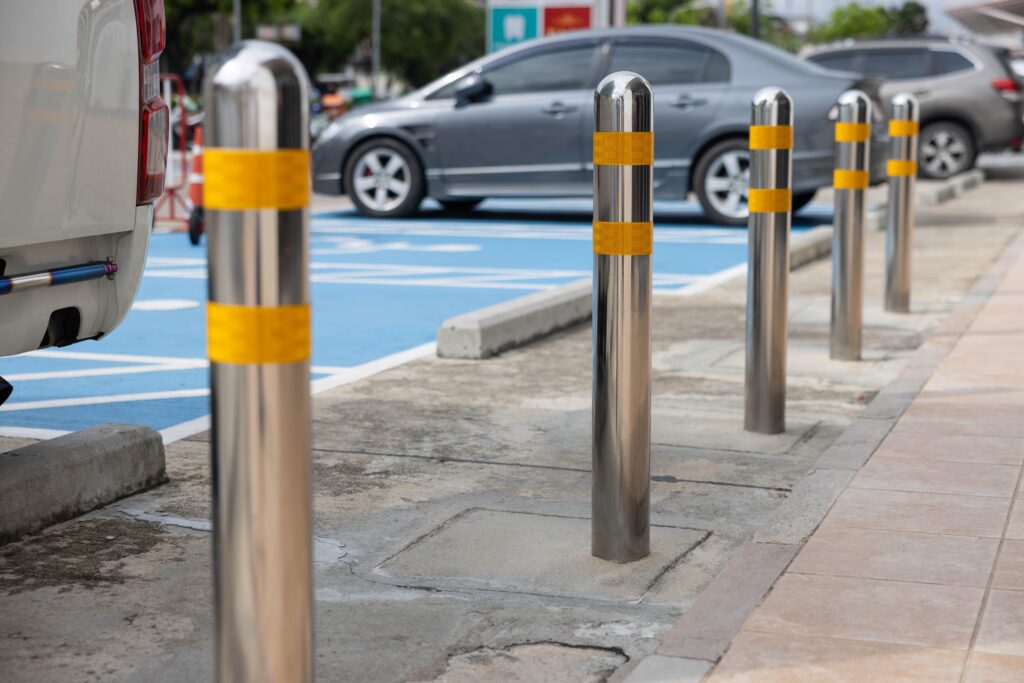
Bollards: Crash-rated bollards come in varying designs and in two main types. Removable bollards are excellent options for temporarily blocking specific areas like pedestrian gatherings or specific entrances. Fixed, stationary anti-ram bollards provide continual protection for buildings and other assets.
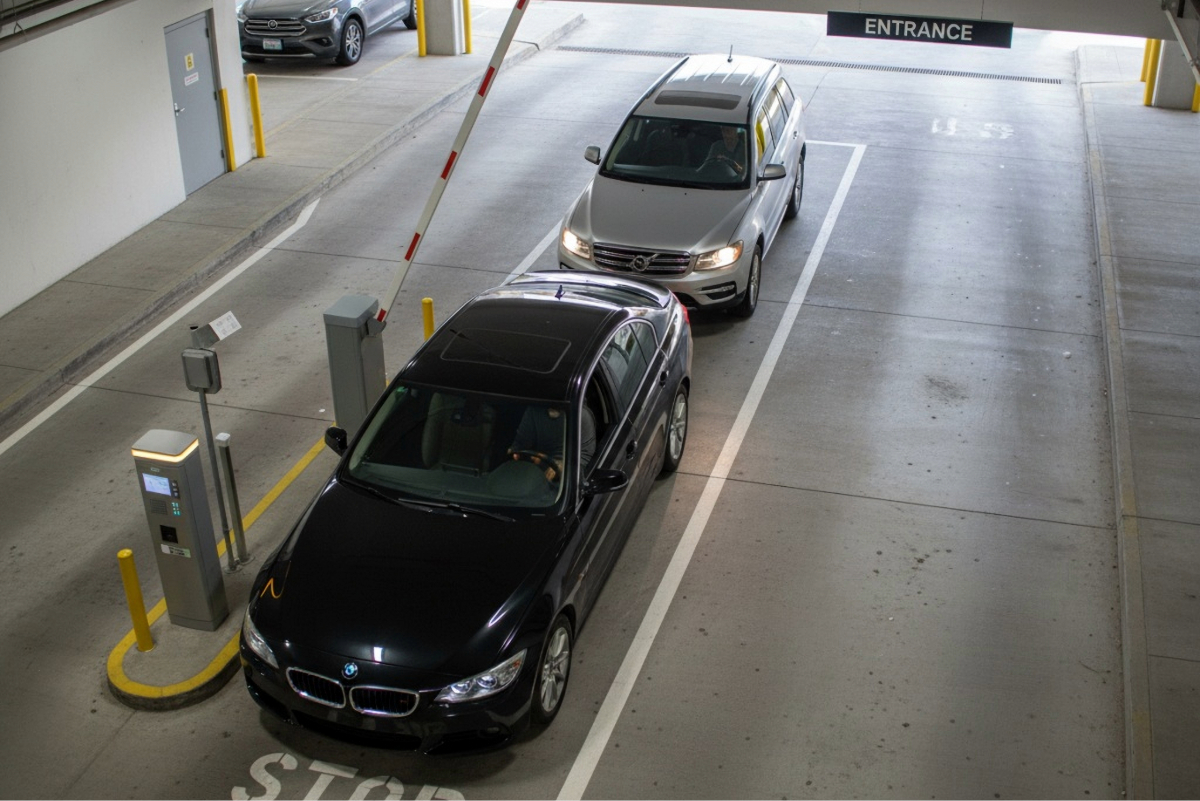
Beams: Crash-rated beams look like the arms used in most parking garages. However, they boast a design that withstands collisions with vehicles moving as fast as 30 to 50 mph. Choose from manual or automated systems.
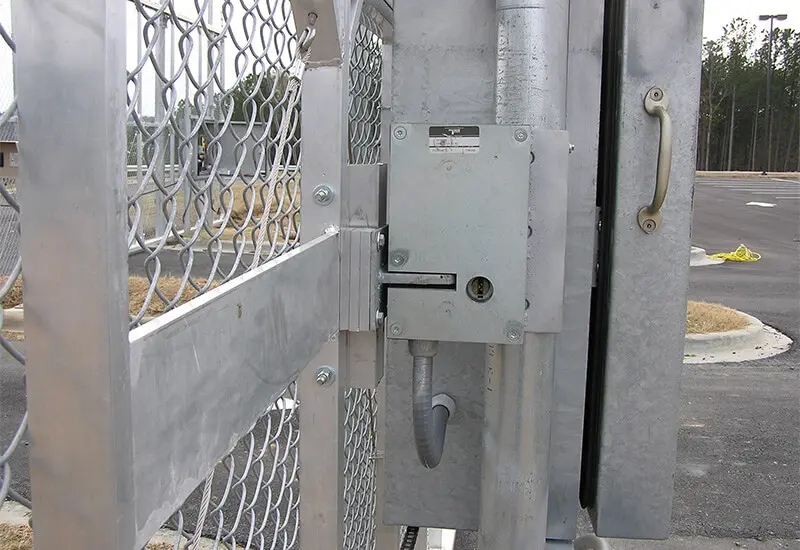
Gates: Crash-rated gates come in various types and styles, making them an ideal fit for various applications. Designed to withstand vehicular attacks, these solutions also provide access control with manual or automated operations.
Protecting Citizens and Facilities Against Vehicle Ramming Attacks
The use of vehicles as weapons is not a new threat, but vehicle-ramming attacks are increasing in both frequency and severity. Hostile vehicle mitigation strategies employ high-quality crash barriers and bollards, which are designed to repel vehicles, redirect them, and absorb the impact to protect people and properties.
Facility managers, security planners, and urban developers must take a strategic approach to securing properties against vehicle-borne threats. This starts with a thorough site evaluation, selecting the right crash barriers, and integrating security solutions for maximum effectiveness.
TYMETAL’s HVM solutions have been rigorously tested to meet the highest security standards. Our team is here to support your security needs, from initial assessment to installation and beyond.
Connect with TYMETAL today to learn more about how our crash barriers and bollards can enhance your hostile vehicle mitigation strategy.