
As the market responds to stricter regulations and evolving threats, 2025 is shaping up to be transformative for the physical security industry. January 1 delivered the very first example of why security barriers are so essential when a lone driver plowed into a New Orleans crowd.
The tragedy is only one factor behind this year’s trends. Emerging technologies are also driving innovation, with the latest trends in physical security featuring technological integrations for greater automation and access control. Portable barriers offer on-demand solutions, and the focus on both performance and aesthetics opens solutions to a broader market.
Why Vehicle Security Barriers Are More Important Now Than Ever
Out of necessity to protect the public from rising threats, the demand for hostile vehicle mitigation has continued to grow. This increase reflects the urgent need for stronger security measures in public spaces.
Whether you want to safeguard against accidental intrusions or pointed vehicular attacks, protecting properties, people, and other assets from impact is paramount. Security barriers accomplish both by absorbing impact during a vehicle ramming incident and helping control access to high-security areas. As regulations and security standards tighten in response to heightened threats, industries and businesses of all types must remain compliant. Compliance and risk management require strict perimeter monitoring and control and stringent protocols for granting visitors and employees’ access.
While they are essential for properties of all types, security measures are particularly vital for government buildings, airports, data centers, public utilities, and other critical infrastructure. Thankfully, many of the trends shaping 2025 deliver optimal performance and compliance with stricter regulations, all while maintaining aesthetic design appeal.
The Latest Physical Vehicle Security Barrier Trends in 2025
Overall, the physical security industry continues growing, with innovators that embrace complementary technologies often outpacing their competitors. Integrating artificial intelligence (AI) solutions is creating massive change, bringing the convergence of physical security and cybersecurity closer than ever. AI-enabled surveillance systems can provide detailed analytics while aiding security teams in predicting risk levels and taking a more proactive approach to further meet the increasingly complex security landscape head-on.
AI isn’t the only trend driving the physical security solutions market. Explore five of the latest trends in physical security in more detail.
Security Barrier Integration with Access Control Systems
Implementing advanced technologies for access control can help enhance the user experience with increased efficiency while integrating several authentication methods. For example, some may feature facial recognition or biometric authentication in addition to security codes, badges, and license plate recognition.
Touchless entry has emerged as a leading trend, with many organizations integrating mobile-based solutions like apps and Bluetooth technology that grants entry to those with authorization. In addition to improving the experience for users, it also gives security professionals the option to revoke (and issue) access credentials instantly.
Active Barrier Systems with Automated Controls
Given the shifting nature of the security environment, which has added more controls over the past few years, security professionals are understandably stretched thin. Teams working in various environments, from small businesses and global enterprises to governmental organizations and educational institutions, face tremendous staffing pressure. Active barriers require some form of action — either from a security professional or automated system — to admit authorized personnel. These vehicle security barriers help prevent intrusions while defining the perimeter.
Automating these systems and integrating them with emerging technologies like AI can relieve pressure on security teams without sacrificing effective threat detection and responsiveness. Active barrier systems with automated controls can provide security professionals with real-time data, barrier status information, and increased agility.
Crash-Rated Barriers That Align with Stricter Standards and Regulations
Critical infrastructure and commercial properties face a growing number of security challenges, including vehicle as a weapon (VAW) attacks. In response, facilities are tasked with increasing regulations designed to safeguard properties, assets, and people. Crash-rated barriers offer a multi-layered approach to help facilities meet security needs and remain compliant.
Penalties for non-compliance may range from fines to legal ramifications, demanding that businesses prioritize security at every level. Physical security measures, including crash-rated barriers, help define the property, control the flow of traffic, and prevent unauthorized vehicles from entering. Perhaps more importantly, they offer hostile vehicle mitigation measures, absorbing the energy of impact in the event of an accidental or purposeful ramming. Implementing the proper measures can reduce liabilities and tighten security, both of which give the business or organization increased credibility.
Aesthetic and Pedestrian-Friendly Vehicle Security Barrier Designs
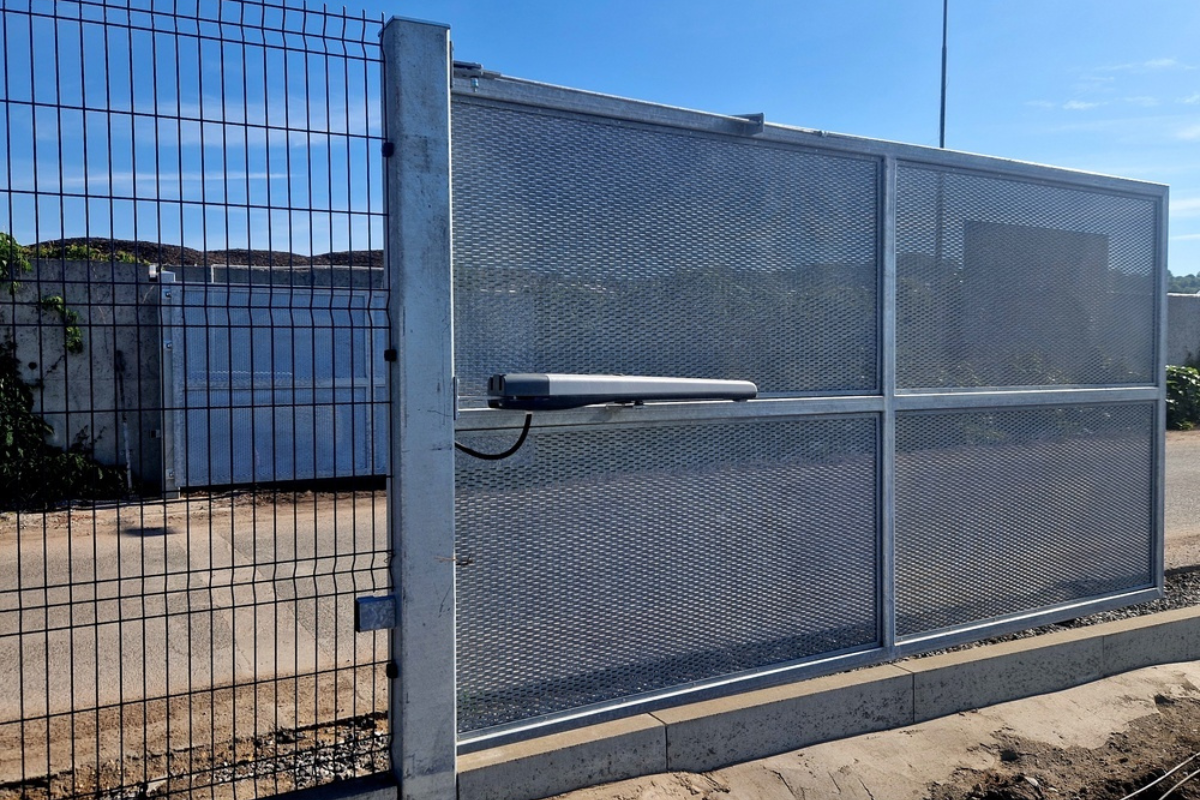
A growing number of facilities require perimeter security solutions. However, many of them want to retain the aesthetic appeal of the properties and preserve the ease of access to pedestrians. Enter the new generation of perimeter security solutions, designed to fit into and complement the existing landscape while offering robust performance. Custom finishes for fences, gates, and bollards increase aesthetic appeal. User-centered access solutions, including touchless technologies, are creating smoother user experiences for pedestrians and drivers alike.
Portable and Rapid Deployment Barriers
As the events that unfolded on New Year’s Day in New Orleans demonstrate, the lack of adequate barriers in key areas can have catastrophic consequences. With portable options that deliver rapid deployment capabilities without sacrificing reliable protection, it’s possible to harden the security of events and pedestrian-laden areas. Portable solutions will continue experiencing demand across many areas, including construction, events, parking areas, and temporary facilities. These solutions also equip organizations and institutions to better respond to changing threat levels.

How You Can Prepare for Emerging Security Barrier Trends
Establishing perimeter security requires following the five “Ds,” which offer a solid security foundation using a multi-layered approach. The five Ds also provide a framework you can use as you integrate solutions for various layers, including:
- Deter: Use physical security solutions to make the property look too challenging to breach.
- Detect: Implement technology like floodlights and surveillance systems to notify relevant personnel about an attempted breach before the threat can do significant damage.
- Deny: Access control offers seamless entry for those with authorization while keeping others out.
- Delay: Additional barriers and reinforcements, including locked doors, can help slow the progress of a breach, giving the security team a chance to respond and protect assets.
- Defend: This last layer involves action taken by security personnel after a breach is detected.
However, perimeter security cannot be a one-and-done proposition. Future-proofing security investments requires an ongoing approach based on understanding the threat landscape at its heart. Routinely inventorying and prioritizing assets, assessing possible threats, and evaluating evolving security solutions can ensure security controls remain aligned with business objectives.
Conducting routine site assessments can be instrumental in identifying security risks and the physical security industry trends that can help mitigate them.
TYMETAL’s Role in Advancing Vehicle Security Barriers
TYMETAL Corp. has decades of experience and expertise in designing and manufacturing industry-leading vehicle security barriers. From standard crash-rated fences, bollards, and gates to intricate custom designs for special use cases, the TYMETAL team delivers outstanding products. TYMETAL vehicle security barriers are renowned for their performance, durability, and reliability. Additionally, they align with emerging trends and the strict regulations needed to keep people and properties safe and protected.
Recap: Vehicle Security Barrier Trends in 2025
From aesthetic designs to enhanced automation and access control, the 2025 trends in physical security harden security while improving visual appeal and the user experience. Rapid deployment and portable barriers offer new ways to protect areas with shifting needs, including event spaces, construction sites, and temporary facilities.
In the face of modern security threats, the convergence of physical and cybersecurity opens new opportunities. To leverage them effectively, it’s critical to assess site security, evaluate current security barrier systems, and identify gaps in vehicle security barrier needs.
Partnering with the industry experts at TYMETAL ensures a seamless experience, with support throughout the entire process and security barriers that exceed expectations. Connect with TYMETAL today to learn more about how its vehicle security barriers integrate with current trends and meet your security barrier needs.