
Even in the most innocuous of circumstances, if a driver accidentally loses control and crashes into a building, it can cause significant damage. Accidental vehicle attacks could occur as a result of driver error, pedal confusion, and impaired driving. These incidents often result in shattered glass, damaged building structures, and serious injuries — possibly even death — to people visiting and working in the area. Estimates indicate that accidental vehicle ramming attacks happen an average of 60 times per day across the United States.
A very different scenario has emerged in the threat landscape and gained traction over the past 10 years. Incidents involving vehicles as a weapon (VAW) attacks have increased 70% since 2014, with increasing consequences to structures and a rising mortality rate. Additionally, for those who want to cause damage deliberately, these types of attacks require minimal preparation, and motor vehicles are easy to obtain.
With the rising number of VAW attacks, vehicle barriers play an increasingly critical role in protecting human life, infrastructure, and high-risk areas. In turn, modern crash-rated vehicle barriers continue evolving to meet safety and security demands and deliver reliable protection.
Why Vehicle Barriers Are Critical for Public Safety
No matter if it’s an accidental intrusion or a purposeful attack, vehicle crashes that focus on crowds, buildings, and other spaces put lives and assets at risk. For instance, in 2016, a 19-ton truck plowed into a crowd of pedestrians in Nice, France, wounding 430 people and killing 86 more. More recently, a driver rented an SUV and killed five people and injured hundreds more by driving into a Christmas market in Magdeburg, Germany. Less than two weeks later, a similar attack in New Orleans, LA, killed 14 and injured 57 revelers on Bourbon Street.
VAW attacks are relatively unpredictable and frighteningly easy to carry out. That’s why it’s essential to employ vehicle barriers, which are designed to absorb the energy released on impact, as a first line of defense.

Types of Vehicle Barriers and How They Save Lives
Crash-rated vehicle barrier systems are security tools that protect pedestrians, employees, visitors, and infrastructure. They also offer a layered approach to hostile vehicle mitigation, with various options available to protect properties from the outside in.
Crash-Rated Vehicle Barriers
Crash-rated barriers stand up to vehicle impacts. They undergo vigorous third-party testing to validate their crash ratings based on vehicle weight, speed, and the distance the truck bed travels past the opening. All TYMETAL Corp’s vehicle barrier systems have been tested to ASTM F2656/F2656M-20 standards to ensure that every product aligns with industry standards.
Active Vehicle Barriers
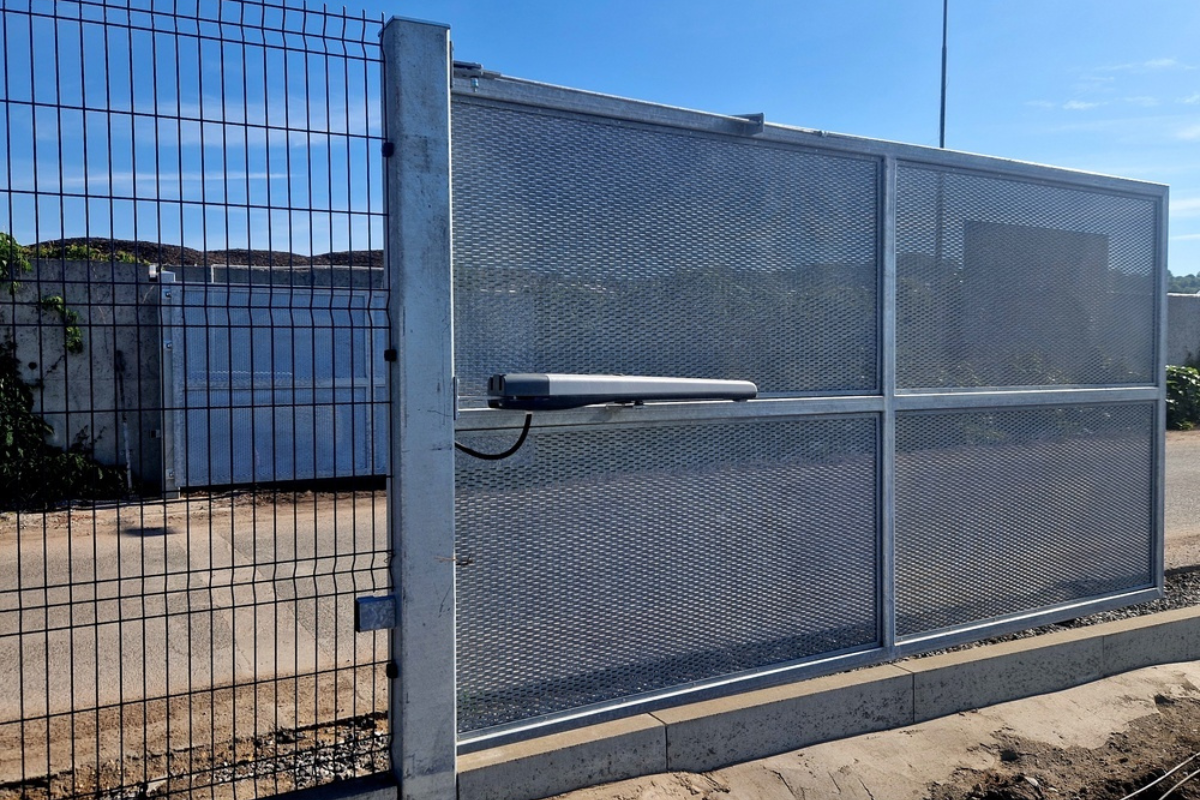
Active barriers require manual or automated mechanical operations to let traffic flow through restricted or protected areas. Examples include crash-rated gates and beams, which have stopping power according to their ratings. Crash-rated gates offer excellent protection for areas requiring access control, including property entrances, parking lots, and high-security assets. Crash-rated beams, like the TCRB-4, feature an arm and manual or automated operation while mitigating potential injuries and fatalities if a crash occurs.
Passive Vehicle Barriers
Passive barriers, which include options like crash-rated bollards and fences, are fixed in place. Once installed, they provide protection according to their ratings and provide ongoing protection from vehicle ramming. Crash-rated fences offer excellent passive protection around the perimeter. These solutions are designed to stop a 15,000-pound vehicle travelling at speeds of up to 50 miles per hour (MPH). Bollards, on the other hand, contain flexible steel cores that provide excellent stopping power and ease of installation. Options include TYMETAL’s Truckstopper series, which can stop a 16,534-pound truck driving at a speed of 50 MPH.
Portable Vehicle Barriers
Mobile crash barriers offer fast and easy installation for temporary mitigation of the risk of VAW. As their name implies, these barriers can be moved, making them uniquely suited for events, temporary facilities, and construction sites, among others. Like other barriers, portable options deter vehicles from protected areas and absorb impact should one occur.
How Vehicle Barriers Are Advancing and Modernizing in 2025
Automation of crash-rated barriers continues to drive the market forward. These technologies help optimize security operations while improving traffic flow, all without compromising security.9 Integrating these solutions with other smart security systems, including sensors, can help improve monitoring capabilities and provide a sharper operational view.
Additionally, technology allows security teams to instantly grant or revoke security credentials and reduce the chances of fraudulent entry. Other trends include eco-friendly materials, sustainable design, and a growing eye on aesthetics, which allows facilities to gain protection without sacrificing a welcoming feel.10
Tymetal’s Role in Protecting Lives with Vehicle Barriers
TYMETAL has been protecting lives since 1985, providing industry-leading, high-security vehicle barrier systems for various use cases. Critical infrastructure, including airports, utilities, and military bases, are among the many clients TYMETAL has partnered with through the years. Schools, financial institutions, border stations, correctional facilities, landmarks like the Georgia State Capitol, and many other organizations have placed their trust in TYMETAL.
The TYMETAL difference has made the company a standout in the market. TYMETAL offers a range of standard perimeter security solutions and crash-rated barriers, and its team of talented designers can also fabricate fully custom designs. Additionally, TYMETAL offers unwavering technical support from the earliest planning phases of a project to well beyond installation.
Recap: How Vehicle Barriers Are Saving Lives in 2025
Hostile vehicle mitigation is increasingly essential as vehicular attacks continue to rise. Crash-rated vehicle barrier systems not only help deter criminal elements but can also absorb impact and protect human life and critical assets. As barrier technologies evolve, security teams can use these critical tools to optimize their security protocols and safeguard innocent lives and valuable infrastructure.
Connect with TYMETAL today to learn more about available vehicle barriers or to discuss your precise requirements with our design team.